Introduction of HPMC use
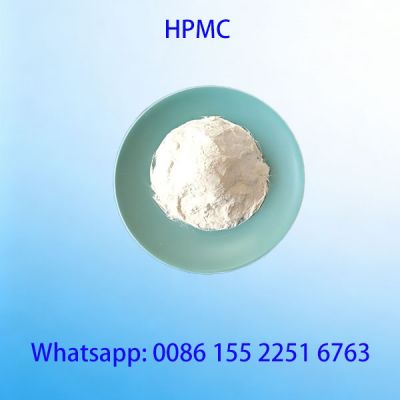
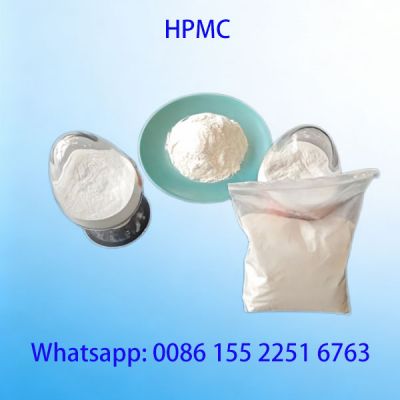
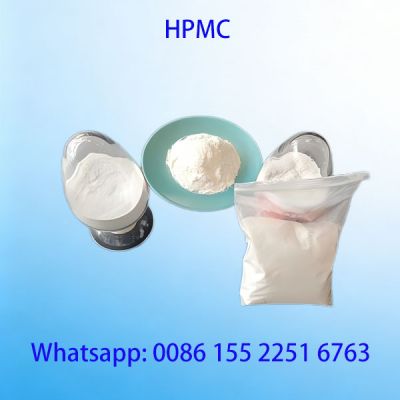
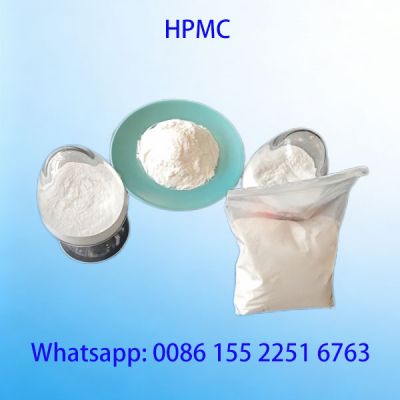
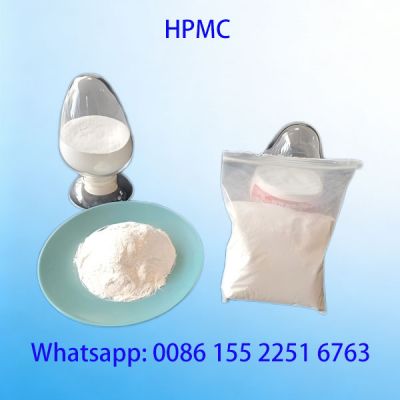
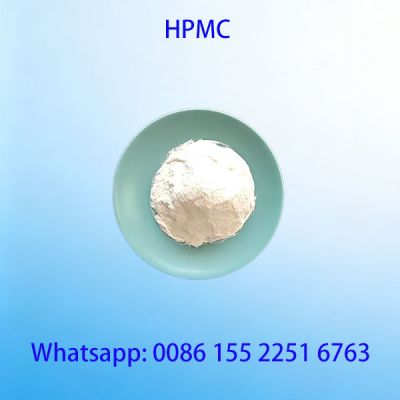
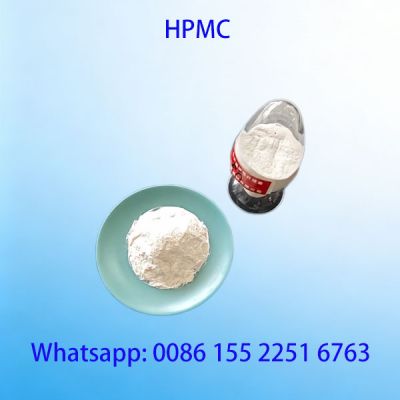
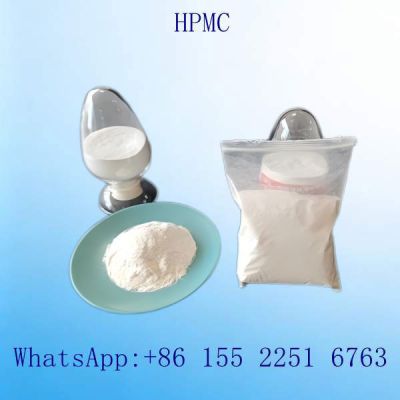
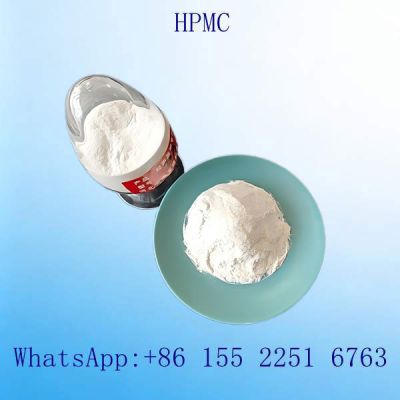
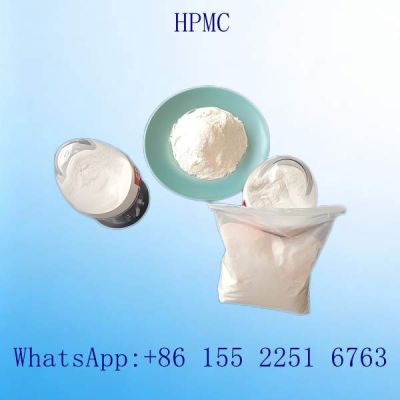
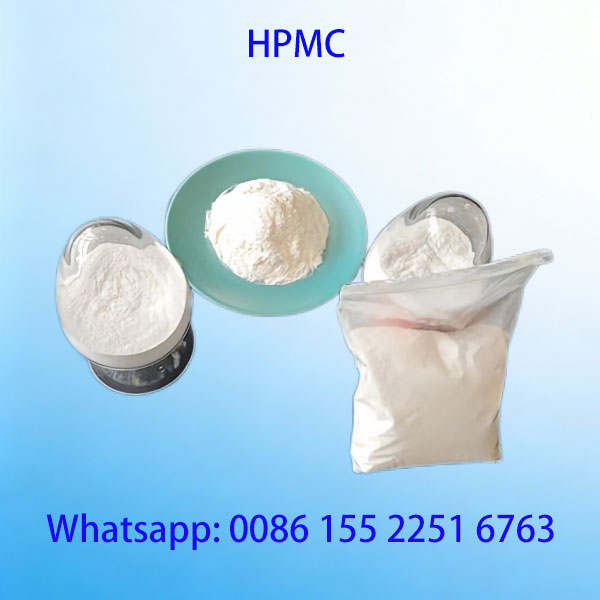
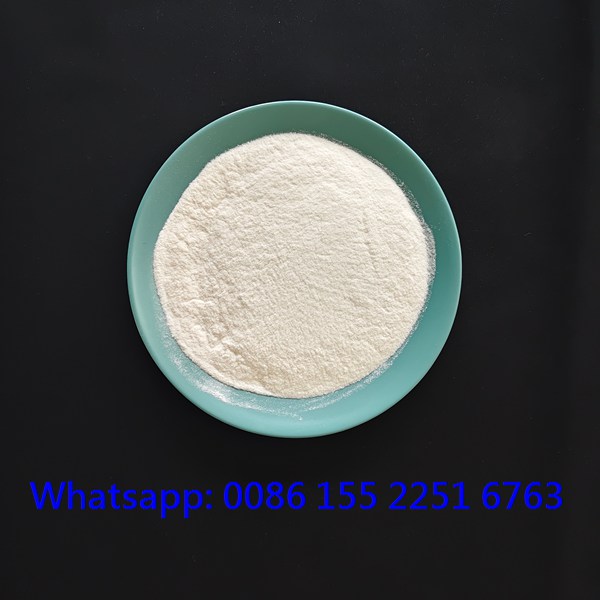
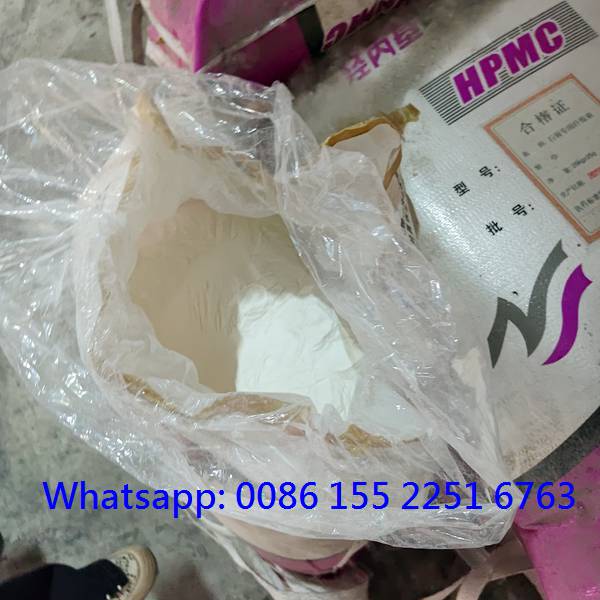
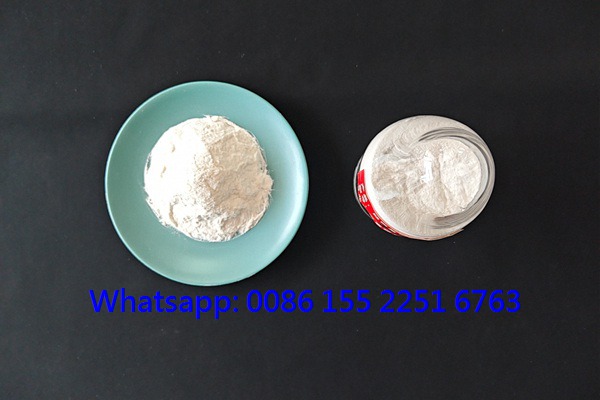
Product form:White to off-white powder
Hydroxypropyl Content: 9-12%
Methoxyl Content: 18-24%
Viscosity: 300-200,000 mPa.s
CAS No.: 9004-65-3
Email: sales03@eclatmat.com
Tel: +86-155 2251 6763
Free samples are available!
HPMC use succeeds or fails on three fundamentals: how the powder enters the mix, how it disperses without lumping, and how long it is given to hydrate before its performance is judged. The polymer itself is predictable — a nonionic cellulose ether that hydrates in cold water into clear viscous solutions across 300–200,000 mPa·s and holds ≥90% of mixing water where it is applied. Nearly every field problem traced back to “bad material” turns out to be one of those three steps done out of order.
The reason order matters is physical, not chemical. When loose HPMC powder is poured straight into water, the outer particles hydrate instantly and form a sticky gel skin that traps dry powder inside — the classic fish-eye lump. The same powder, first blended with other dry solids or pre-dispersed so every particle wets separately, hydrates smoothly and delivers its full viscosity. Everything in practical HPMC use follows from avoiding that single failure mode.
Whatever your mixing method, the material you are dispersing is produced to one specification and verified in the laboratory before release. A certificate of analysis accompanies each shipment.
| Parameter | Specification |
|---|---|
| Appearance | White or off-white powder |
| Viscosity | 300–200,000 mPa·s |
| Methoxyl content | 19–30% |
| Hydroxypropyl content | 4–12% |
| Bulk density | 350–450 kg/m³ |
| pH value | 6.0–7.0 |
| Water retention rate | ≥90% |
| Gelation temperature | 65–75°C |
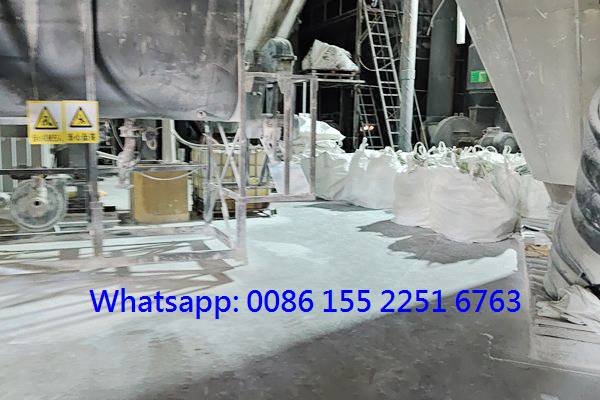
The three fundamentals play out differently depending on what you are making. Here is how HPMC use looks in the systems that consume most of the world’s supply.
Dry-mix production is the easiest case: HPMC use happens in the mixer itself, blended with sand, cement and fillers before bagging. At the job site the pre-blended powder goes into water with normal agitation, and every particle hydrates separately because it arrives already separated by aggregate. On site, add the powder to water — never water onto fresh powder — and mix until the mortar is homogeneous. Water retention of ≥90% then does the rest for open time, workability and strength.
For paints, detergents and other liquids, correct HPMC use follows the same logic with one extra step: the powder is first wetted out under vigorous agitation so particles disperse individually, and viscosity builds as hydration completes under gentler stirring. Feeding slowly into the vortex, using cold water and resisting the urge to judge the viscosity after two minutes eliminates essentially all lumping complaints in liquid production.
Wherever HPMC use ends with a applied layer — skim coats, plasters, film-forming coatings — the polymer’s job finishes as water evaporates and it lays down a flexible, transparent film that binds and protects. Because the material is nonionic and pH-neutral at 6.0–7.0, it coexists with the full range of additives in these systems without side reactions, and its 19–30% methoxyl and 4–12% hydroxypropyl content keep hydration and film behavior consistent batch after batch.
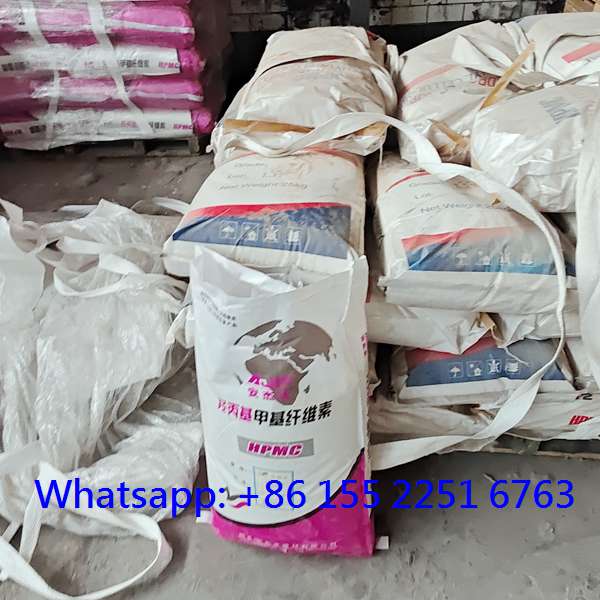
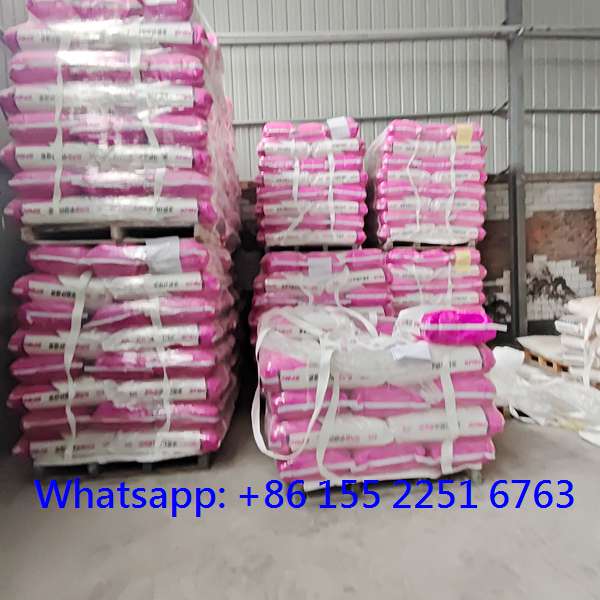
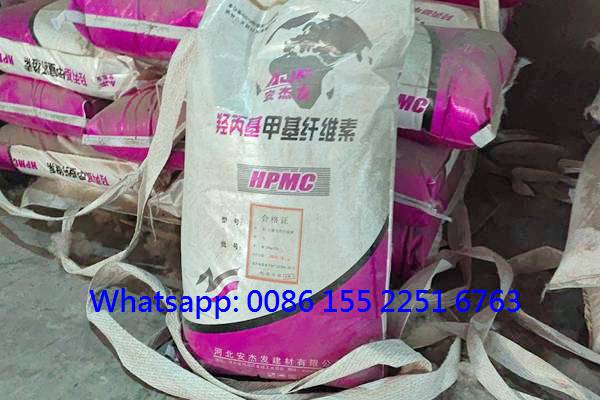
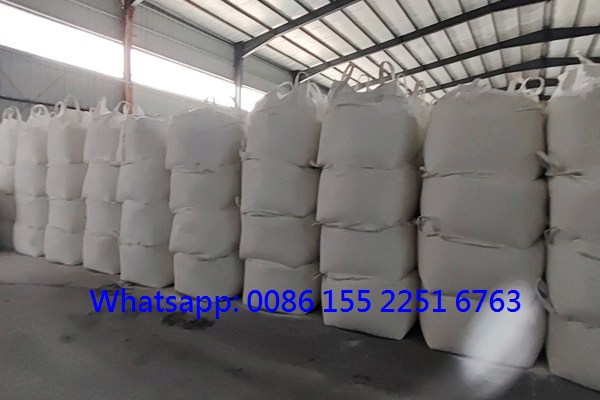
Every grade we supply is shipped in one dependable export format: a standard 25 kg bag with consistent net weight on every unit.
One supplier, one standard. These are the reasons formulators keep reordering.
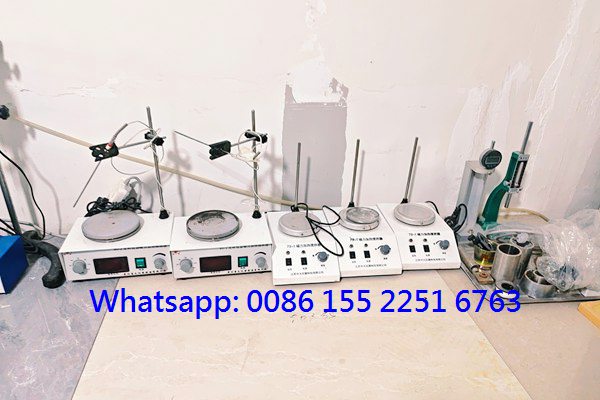
Every production batch is tested in our own laboratory before release — viscosity, methoxyl and hydroxypropyl content, pH, water retention rate and gelation temperature are verified against the specification sheet, and a certificate of analysis (COA) is issued for each shipment. Our chemists also help you match the right grade to your formulation and target viscosity.
Beyond the standard 25 kg bag, we offer flexible packaging customization — private-label and OEM bags printed with your brand, custom labelling for local markets, and packing formats arranged to your warehouse or project requirements. Share your specification with the order and we will confirm the details before production.
Because the outer layer of each pouring mass hydrates instantly and gels before the inside wets through. Fix it at the process level: blend the powder into other dry solids first, or feed it slowly into the vortex of agitated cold water. The material itself is not defective — the addition method is.
No — hot water works against you. Between 65 and 75°C HPMC gels instead of hydrating. Use cold water, where dissolution is fast and complete; the reversible gelation behavior only becomes useful once the solution already exists.
Addition levels depend on the system — a tile adhesive, a paint and a detergent each target different viscosity within the 300–200,000 mPa·s range. Tell us your application and the performance you need, and our technical team recommends the grade and level. Samples let you verify in your own formulation before committing volume.
In powders, before: blend HPMC with the dry components first, then add water. In liquids, after the water is already moving under agitation — the powder enters a vortex, not a static surface. In both cases the goal is identical: separate particles before they hydrate.
Sealed, dry and off the floor. The powder’s 350–450 kg/m³ bulk density and its free-flowing behavior are what your dosing equipment is calibrated around; absorbed moisture changes both. Properly stored, the white or off-white powder remains free-flowing and ready for direct HPMC use in production.
Yes — that is the point of our sampling program. Free samples plus the batch COA go out typically within 24 hours of your inquiry to sales03@eclatmat.com, so you can run the dispersion, hydration and final performance checks in your own plant before ordering volume.
Tell us what you are mixing and where the lumps or viscosity shortfalls come from. We will recommend the right grade and dispersion method — typically within 24 hours.
Email sales03@eclatmat.comTIANJIN ECLAT CO.,LTD.....[ read more>>]


Contact Person:Chris Liu
Tel:+86-22-29736899
Mobile Phone:+86-15522516763
WhatsApp: +86-15522516763
E-mail: sales03@eclatmat.com
Office: 1-1209, Borun Business Plaza, TEDA, Tianjin, China
Factory: Zhangjiu Village, Shucheng Town, Hejian City, Cangzhou City, Hebei Province


 8615522516763