Introduction of HPMC gelling
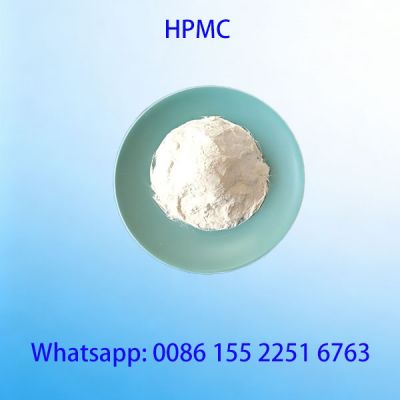
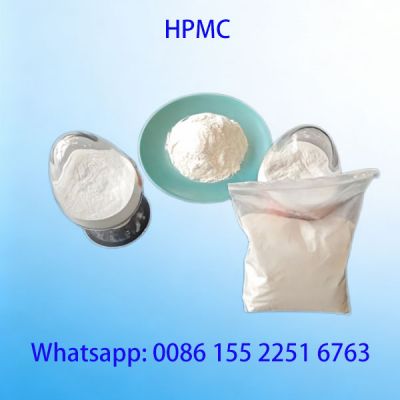
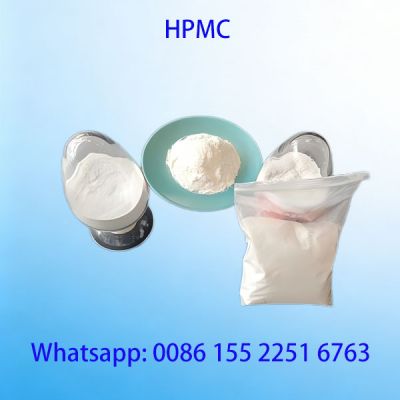
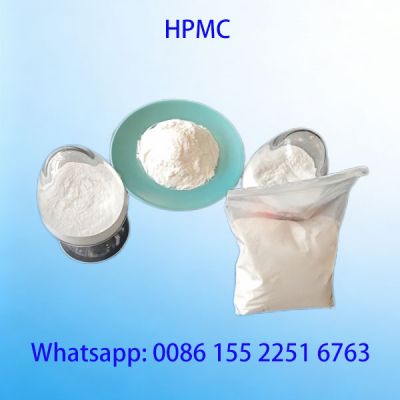
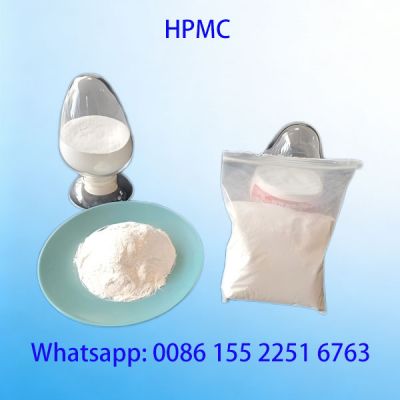
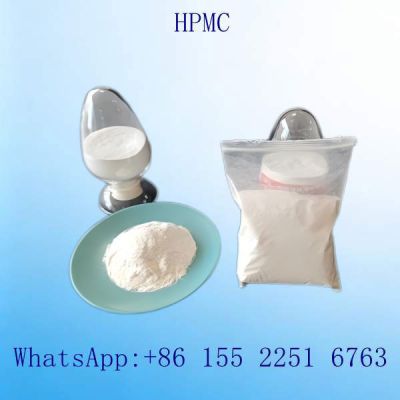
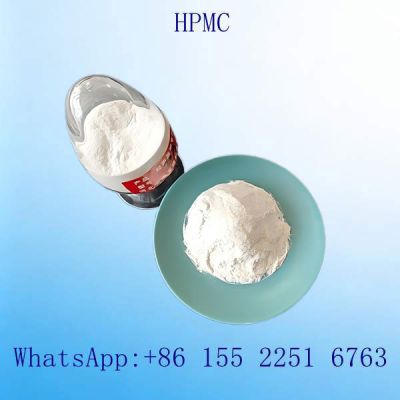
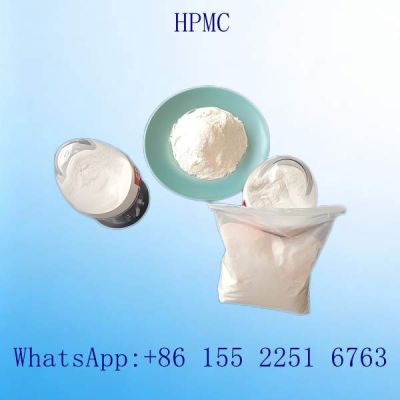
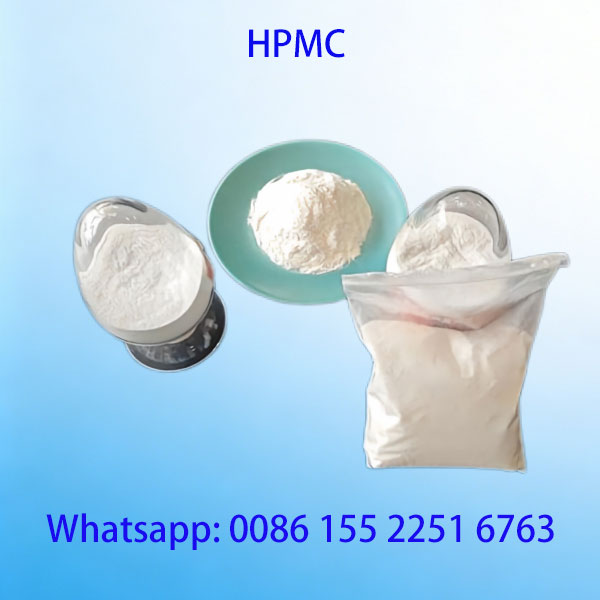
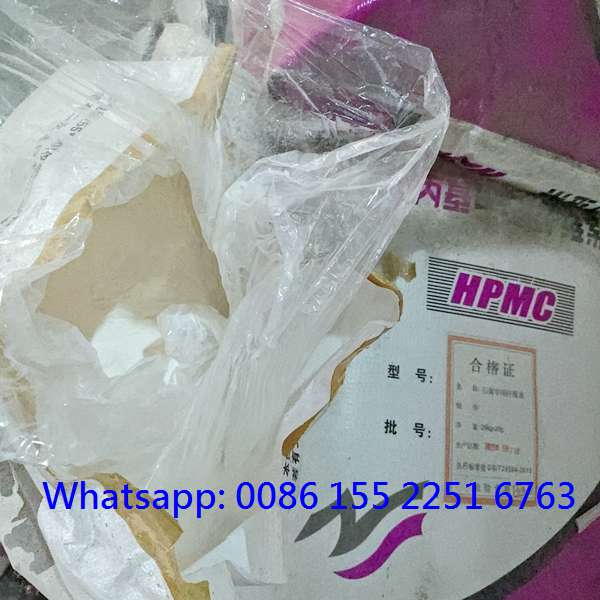
Product form:White to off-white powder
Hydroxypropyl Content: 9-12%
Methoxyl Content: 18-24%
Viscosity: 300-200,000 mPa.s
CAS No.: 9004-65-3
Email: sales03@eclatmat.com
Tel: +86-155 2251 6763
Free samples are available!
An HPMC gelling agent is hydroxypropyl methylcellulose used for the one property that sets it apart from almost every other water-soluble polymer: heat it to 65–75°C and the solution gels; cool it back down and the gel melts cleanly back into a liquid. The transformation is physical, not chemical — nothing is consumed, nothing is irreversibly crosslinked — so the cycle can repeat indefinitely, which is what “reversible thermal gelation” means on a technical data sheet.
The mechanism sits in the molecule’s substitution pattern. Hydrated HPMC chains carry methoxyl groups (19–30%) and hydroxypropyl groups (4–12%) along a cellulose backbone. Below the gelation point those hydrophobic patches stay shielded by water and the chains flow freely. As temperature rises through 65–75°C, the shielding weakens, the hydrophobic segments associate, and a continuous three-dimensional gel network forms in seconds. Cooling lets water re-shield the chains and the network releases. The exact gelation temperature within that window is set by the methoxyl-to-hydroxypropyl ratio — which is why ratio control, verified on every COA, is the quality marker that matters for a gelling application.
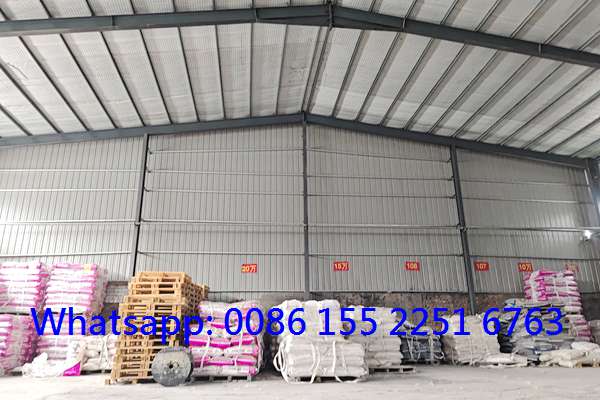
Every batch of HPMC gelling agent is produced to the same specification and verified in the laboratory before release. A certificate of analysis accompanies each shipment.
| Parameter | Specification |
|---|---|
| Appearance | White or off-white powder |
| Viscosity | 300–200,000 mPa·s |
| Methoxyl content | 19–30% |
| Hydroxypropyl content | 4–12% |
| Bulk density | 350–450 kg/m³ |
| pH value | 6.0–7.0 |
| Water retention rate | ≥90% |
| Gelation temperature | 65–75°C |
A gel that appears exactly at temperature, holds while it is hot and disappears on cooling is a process tool most thickeners simply cannot offer. Three categories make the most of it.
Any paste that must sit where it was placed through a hot step — hot-applied joint compounds, assembly pastes, thermal-process binders — benefits from the yield structure that appears at 65–75°C. The HPMC gelling agent locks the paste in position during heat exposure, then relaxes if the process later calls for flow, all without a crosslinker that would permanently set the material.
In oilfield and deep-well operations, a fluid that is thin while pumped and gels once it reaches formation temperature is a scheduling tool, not an accident. Because the HPMC gelling agent is nonionic, its 65–75°C transition survives the brines and electrolytes typical of these environments, and the reversibility means the barrier can be designed to release when the well cools.
Formulators use the gelation window as a passive temperature switch: below 65–75°C the formula stores and pumps as a liquid; above it, the same formula holds ≥90% of its water in a gel network that keeps actives where they were placed. Cooling reverses everything with no residue — behavior no non-gelling thickener, natural or synthetic, can replicate.
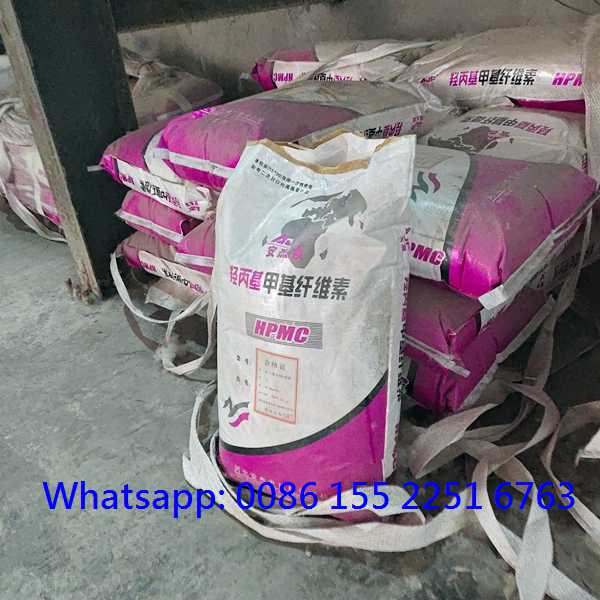
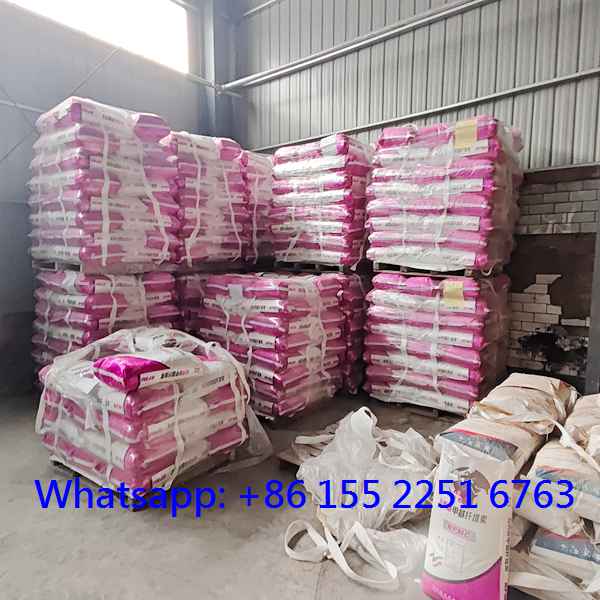
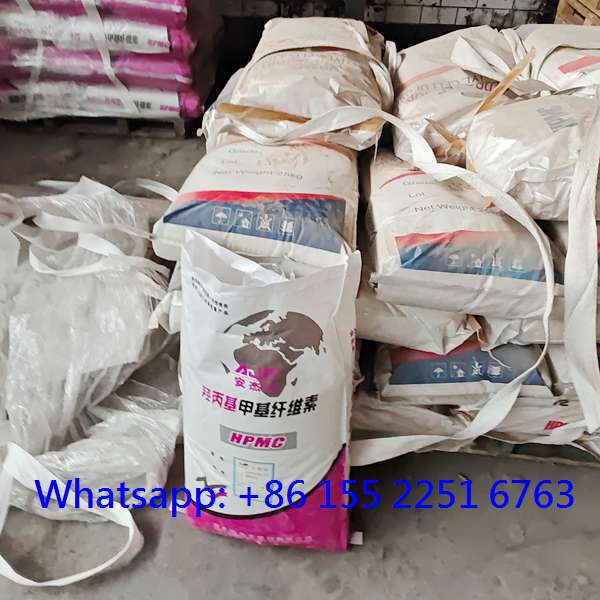
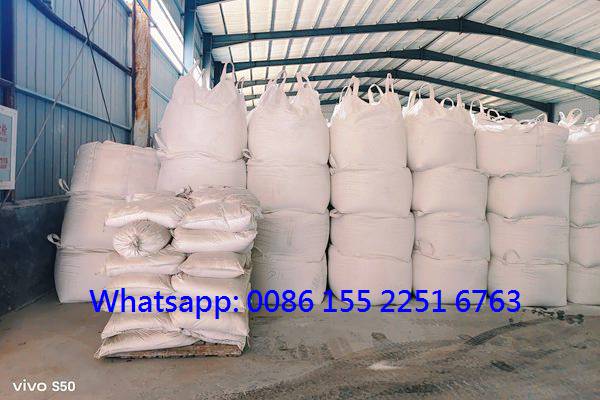
Every grade we supply is shipped in one dependable export format: a standard 25 kg bag with consistent net weight on every unit.
One supplier, one standard. These are the reasons formulators keep reordering.
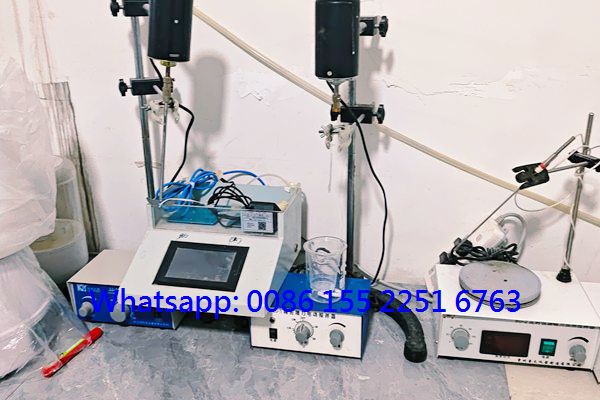
Every production batch is tested in our own laboratory before release — viscosity, methoxyl and hydroxypropyl content, pH, water retention rate and gelation temperature are verified against the specification sheet, and a certificate of analysis (COA) is issued for each shipment. Our chemists also help you match the right grade to your formulation and target viscosity.
Beyond the standard 25 kg bag, we offer flexible packaging customization — private-label and OEM bags printed with your brand, custom labelling for local markets, and packing formats arranged to your warehouse or project requirements. Share your specification with the order and we will confirm the details before production.
Between 65 and 75°C. The precise point inside that window is set by the substitution ratio — methoxyl 19–30% against hydroxypropyl 4–12% — which is controlled in production and reported on the batch COA so your process temperature can be matched to your material.
Completely. The network forms by physical association of hydrophobic substituent groups, not by chemical crosslinking. Cool the system below the gelation point and it returns to the original liquid with the same viscosity and pH of 6.0–7.0 it started with — for as many cycles as your process needs.
Two levers: grade and level. Higher-viscosity grades within the 300–200,000 mPa·s range build firmer gels at the same dosage, and raising the polymer level in your formula strengthens the network. Tell our technical team the gel behavior your process needs and they will map both levers for your system.
Both gel on heating, but the hydroxypropyl groups on HPMC push the transition to 65–75°C and improve cold-water solubility, where plain methylcellulose gels at a lower temperature. The higher window gives HPMC gels a wider liquid-handling range before the transition triggers.
No. Below the window the solution simply behaves as a viscous liquid that also retains ≥90% of its water and suspends solids. The gelation behavior is dormant until heat calls on it, so one material can serve as thickener, water retention agent and gelling agent across the whole process.
Yes. Free samples and the batch COA ship typically within 24 hours of your inquiry to sales03@eclatmat.com, so you can heat, gel, cool and re-gel the material in your own formulation before committing to a production order.
Tell us your process temperature and required gel behavior. We will recommend the right grade, confirm pricing and dispatch a free sample — typically within 24 hours.
Email sales03@eclatmat.comTIANJIN ECLAT CO.,LTD.....[ read more>>]


Contact Person:Chris Liu
Tel:+86-22-29736899
Mobile Phone:+86-15522516763
WhatsApp: +86-15522516763
E-mail: sales03@eclatmat.com
Office: 1-1209, Borun Business Plaza, TEDA, Tianjin, China
Factory: Zhangjiu Village, Shucheng Town, Hejian City, Cangzhou City, Hebei Province


 8615522516763