Introduction of
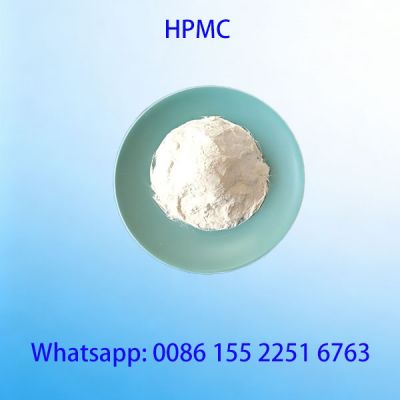
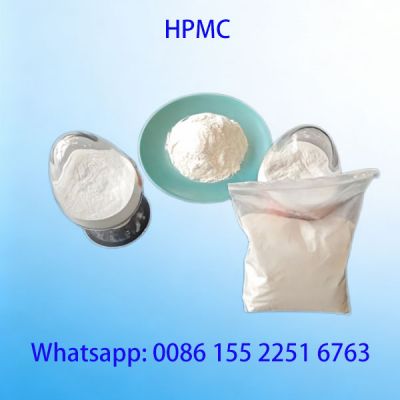
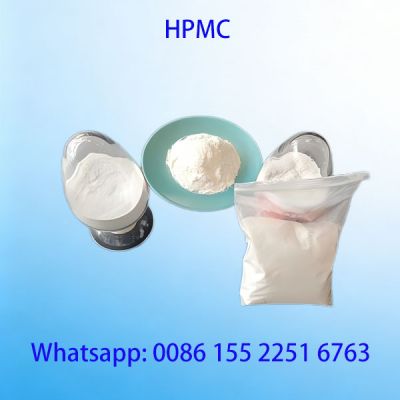
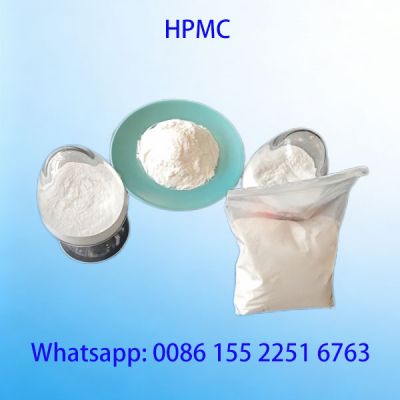
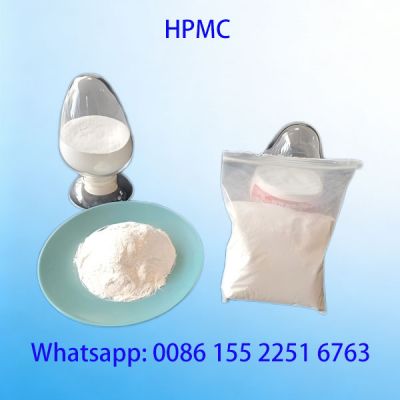
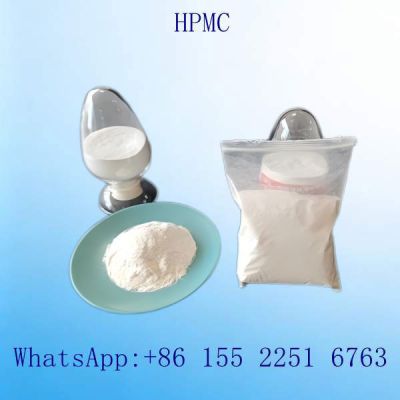
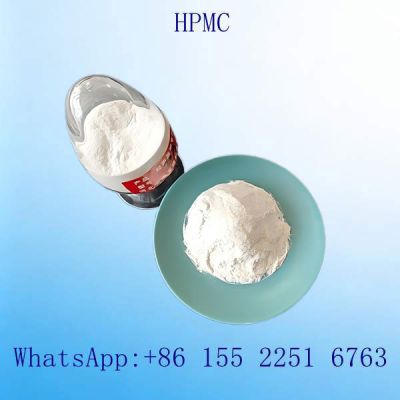
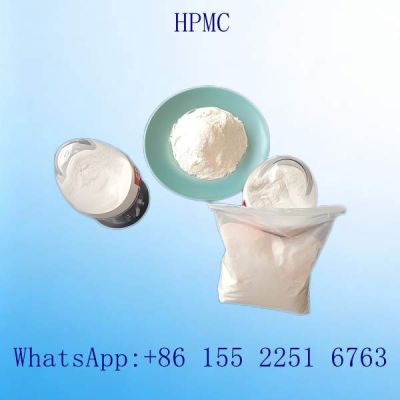
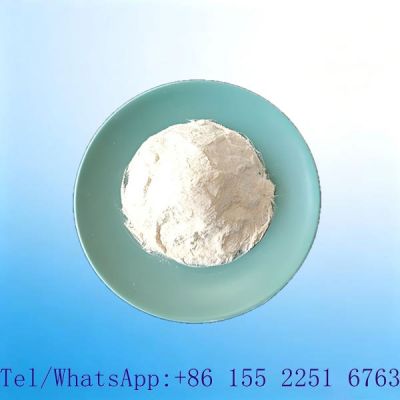
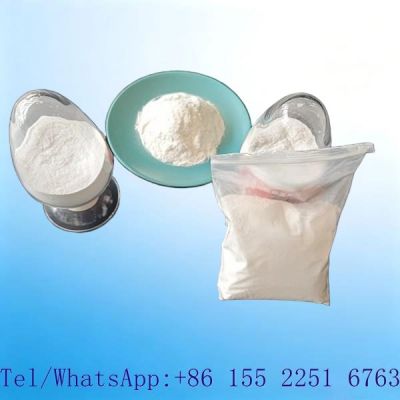
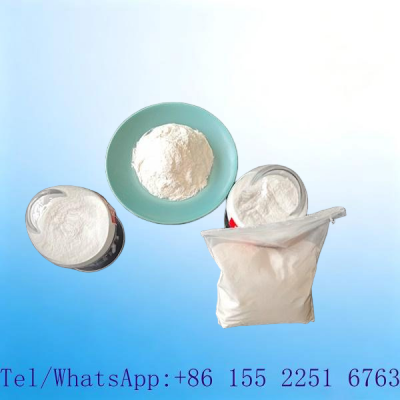
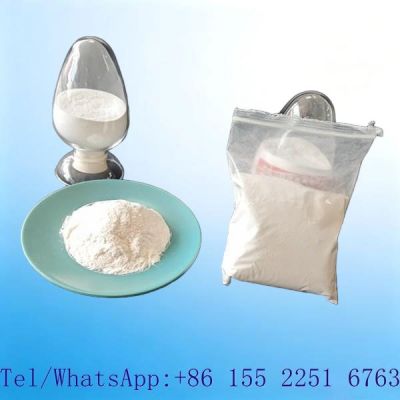
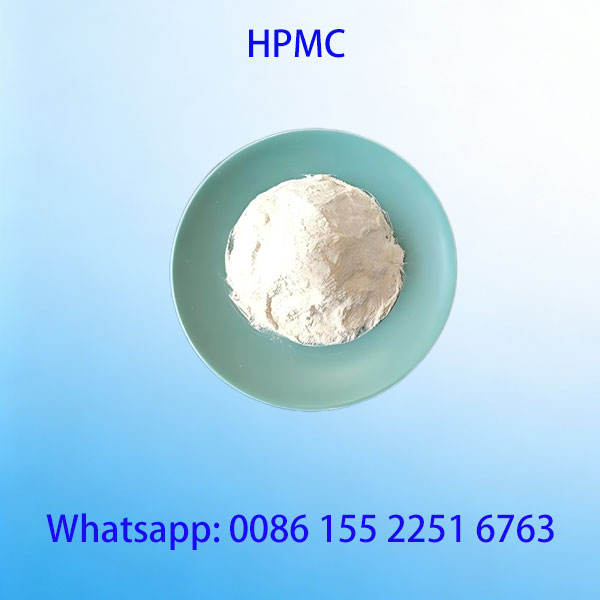
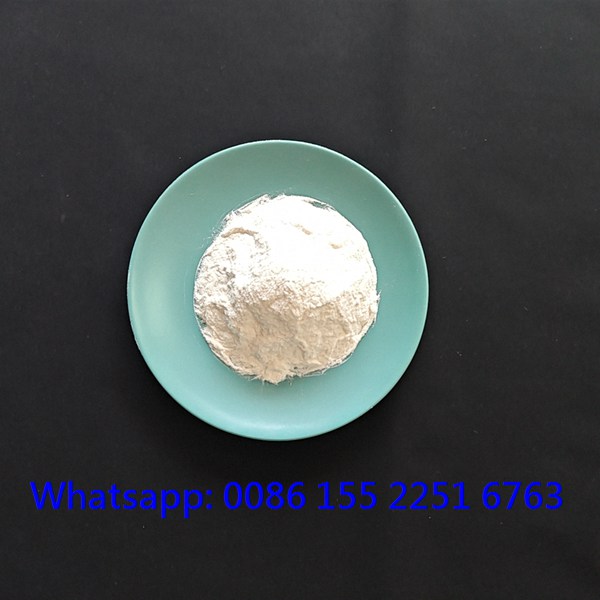
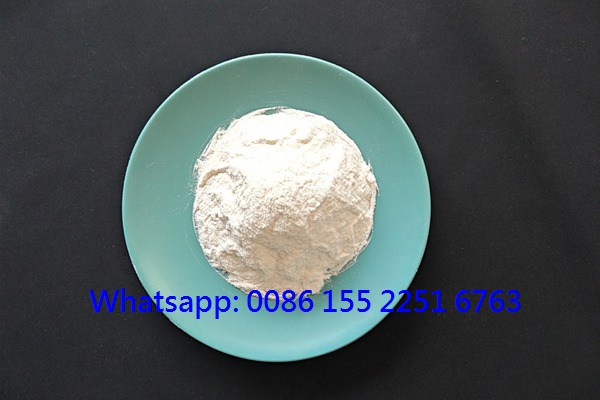
Product form:White to off-white powder
Hydroxypropyl Content: 9-12%
Methoxyl Content: 18-24%
Viscosity: 300-200,000 mPa.s
CAS No.: 9004-65-3
Email: sales03@eclatmat.com
Tel: +86-155 2251 6763
Free samples are available!
Cellulose ethers are a family of water-soluble polymers made by chemically modifying natural cellulose — the structural polymer of plant fiber — into products that dissolve, thicken, hold water and form films. The family shares one origin but each member carries different substituent groups, and that single difference decides how it behaves in your formula. Methyl cellulose (MC), carboxymethyl cellulose (CMC), hydroxyethyl cellulose (HEC) and hydroxypropyl methylcellulose (HPMC) are the four names you meet most often in construction, coatings and industrial compounding.
HPMC ether — the full name is hydroxypropyl methylcellulose — is the most widely used member of the family, and for a structural reason: it carries both methoxyl groups (19–30%) and hydroxypropyl groups (4–12%) on the same backbone. That dual substitution makes it an unusually balanced cellulose ether, offering cold-water solubility, nonionic stability, water retention of 90% or more and a reversible thermal gel at 65–75°C from a single powder.
Every batch of HPMC ether is produced to the same specification and verified in the laboratory before release. A certificate of analysis accompanies each shipment.
| Parameter | Specification |
|---|---|
| Appearance | White or off-white powder |
| Viscosity | 300–200,000 mPa·s |
| Methoxyl content | 19–30% |
| Hydroxypropyl content | 4–12% |
| Bulk density | 350–450 kg/m³ |
| pH value | 6.0–7.0 |
| Water retention rate | ≥90% |
| Gelation temperature | 65–75°C |
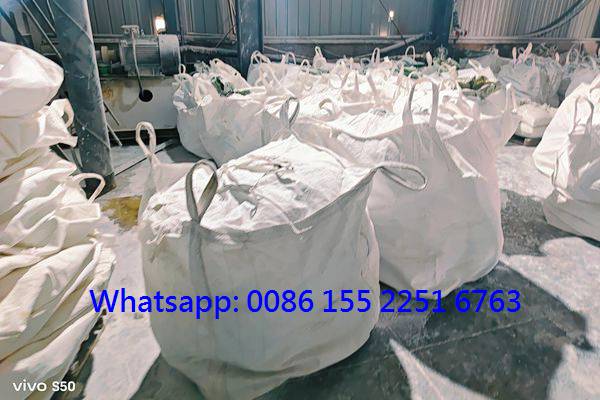
Choosing a cellulose ether is a matter of matching charge, substitution and price to the chemistry of your system. Three scenarios show how the family divides the work.
Tile adhesives, renders and joint compounds are dry blends that must hydrate fast on site and hold water against porous substrates while the cement cures. HPMC ether is the default choice because it is nonionic — it does not react with cement ions — and it delivers both the water retention (≥90%) and the thickening (300–200,000 mPa·s) the mix needs. MC can do part of the job, but the hydroxypropyl groups of HPMC improve cold-water solubility and widen the working window.
Emulsion paints traditionally use HEC for its outstanding tolerance of salts and latex surfactants. But when a formulator wants one polymer to thicken, retain water during dry film formation and build a smooth, sag-free application profile, HPMC ether does all three and stays nonionic. Many modern interior and exterior paints run partly or fully on HPMC for exactly this consolidation of functions.
CMC is anionic and inexpensive, which suits filtration control in drilling fluids and rheology in water treatment where cations are managed. If your system cannot tolerate an anionic polymer — or you need a single material that also gels reversibly at 65–75°C — that is the cue to switch back to HPMC ether, whose performance is independent of ionic strength.
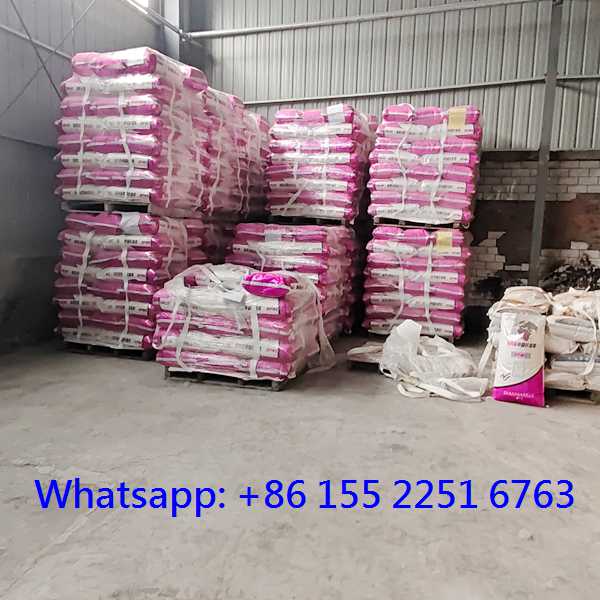
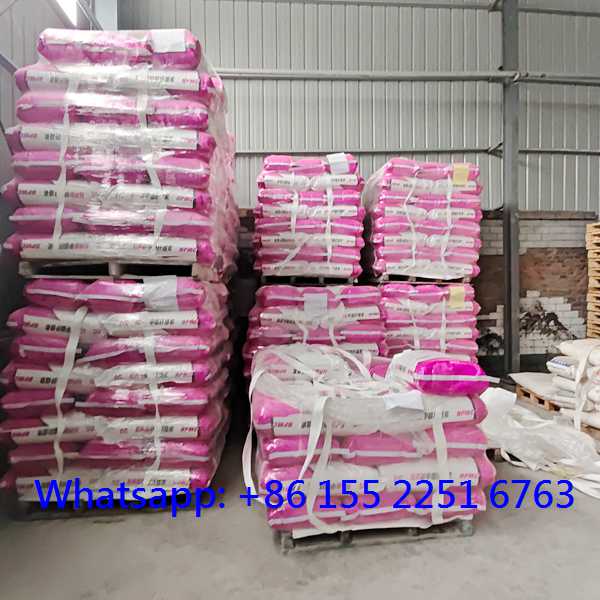
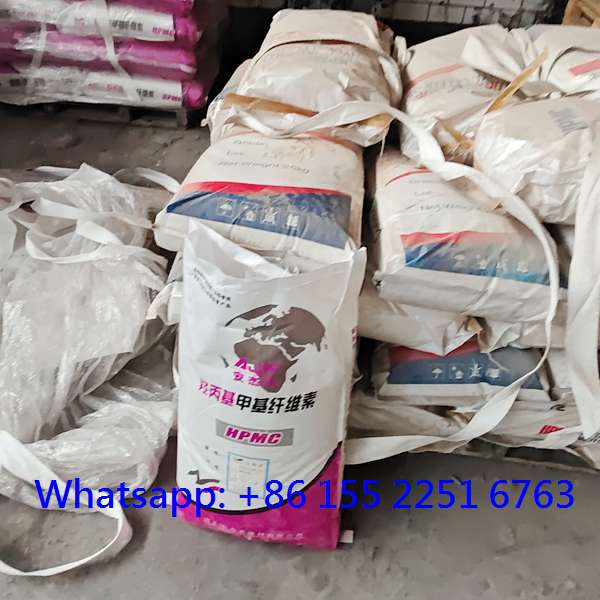
Every grade we supply is shipped in one dependable export format: a standard 25 kg bag with consistent net weight on every unit.
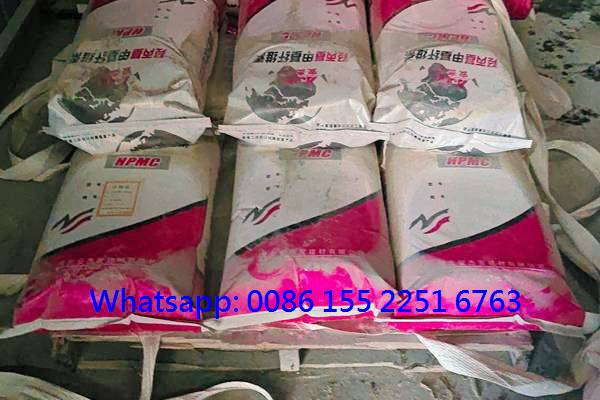
One supplier, one standard across the whole cellulose ether family. These are the reasons formulators keep reordering.
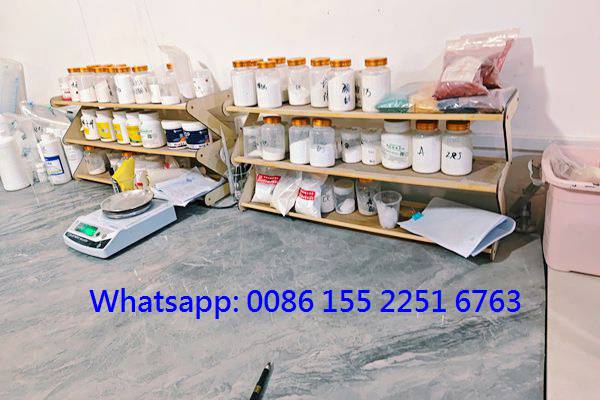
Every production batch is tested in our own laboratory before release — viscosity, methoxyl and hydroxypropyl content, pH, water retention rate and gelation temperature are verified against the specification sheet, and a certificate of analysis (COA) is issued for each shipment. Our chemists also help you match the right grade to your formulation and target viscosity.
Beyond the standard 25 kg bag, we offer flexible packaging customization — private-label and OEM bags printed with your brand, custom labelling for local markets, and packing formats arranged to your warehouse or project requirements. Share your specification with the order and we will confirm the details before production.
Natural cellulose from wood pulp or cotton linters is reacted with alkali and etherifying agents so that substituent groups attach to the cellulose backbone. The resulting cellulose ethers dissolve in water, which raw cellulose never does. HPMC ether is the hydroxypropyl methylcellulose member of this family.
MC carries only methoxyl groups; CMC is anionic (carboxymethyl); HEC carries hydroxyethyl groups; HPMC ether carries both methoxyl (19–30%) and hydroxypropyl (4–12%) groups. That dual, nonionic substitution gives HPMC the most balanced combination of thickening, water retention, film formation and reversible thermal gelation at 65–75°C.
For cement and lime systems, a nonionic cellulose ether is the safe default because ionic types can interact with the mix. HPMC ether is the workhorse: it keeps water in the mortar (retention ≥90%), thickens the wet mix across a 300–200,000 mPa·s range and does not disturb the cement chemistry. Our team can match the grade to your mortar type.
Yes. The hydroxypropyl groups disrupt the crystalline order of cellulose, which is why HPMC ether hydrates in cold water while the solution reversibly gels only when heated to 65–75°C. This cold solubility is one of the main practical advantages HPMC holds over unmodified cellulose products.
Because substitution ratio controls performance: methoxyl content and hydroxypropyl content decide solubility, viscosity and the gelation window. A batch COA proves the viscosity, pH 6.0–7.0, methoxyl and hydroxypropyl values against specification, so your formula stays reproducible from lot to lot.
Yes. Free samples and the batch COA ship typically within 24 hours of your inquiry to sales03@eclatmat.com, so you can compare HPMC ether against MC, CMC or HEC in your own formulation before committing to a production order.
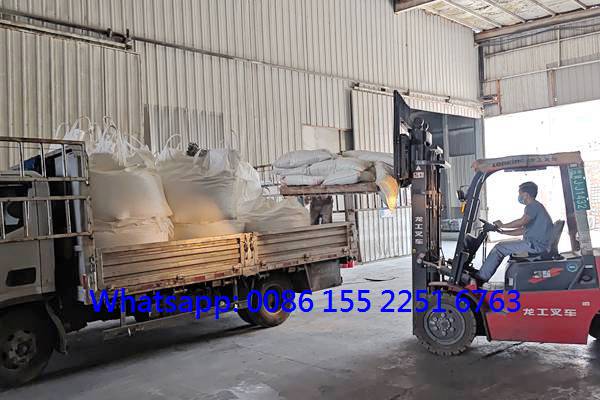
Tell us your application and current thickener. We will help you confirm whether HPMC ether or another cellulose ether fits best, provide pricing and dispatch a free sample — typically within 24 hours.
Email sales03@eclatmat.comTIANJIN ECLAT CO.,LTD.....[ read more>>]


Contact Person:Chris Liu
Tel:+86-22-29736899
Mobile Phone:+86-15522516763
WhatsApp: +86-15522516763
E-mail: sales03@eclatmat.com
Office: 1-1209, Borun Business Plaza, TEDA, Tianjin, China
Factory: Zhangjiu Village, Shucheng Town, Hejian City, Cangzhou City, Hebei Province


 8615522516763