Introduction of HPMC cellulose
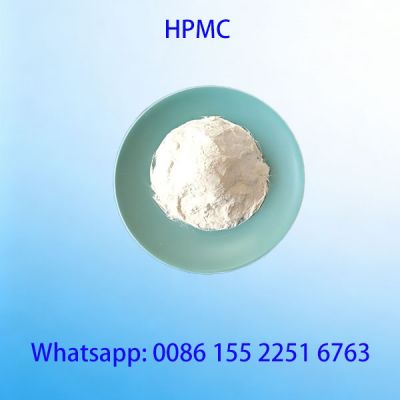
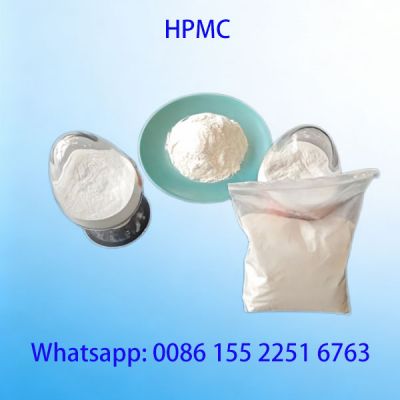
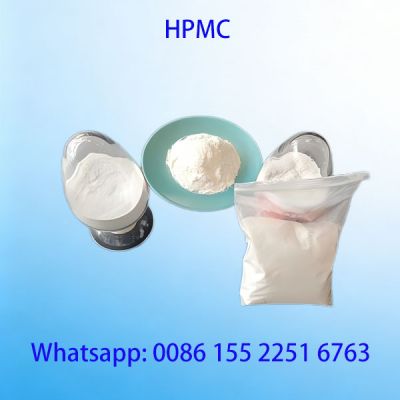
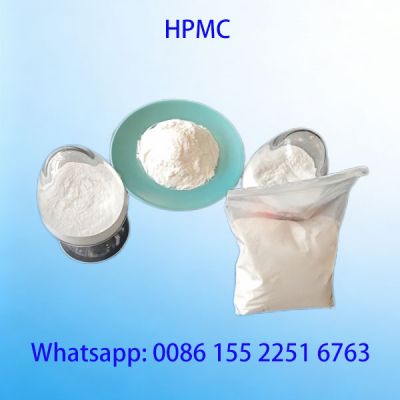
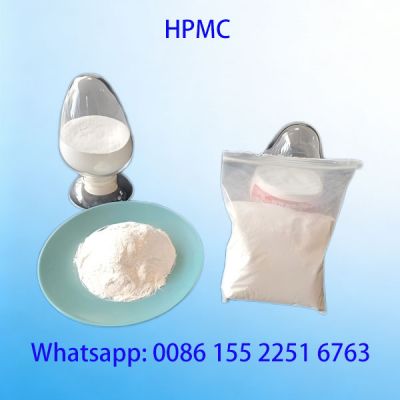
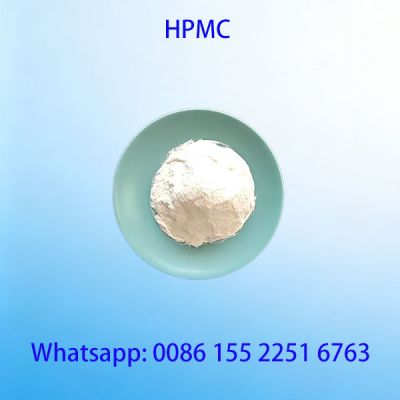
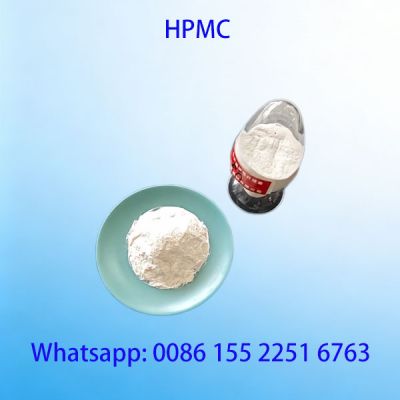
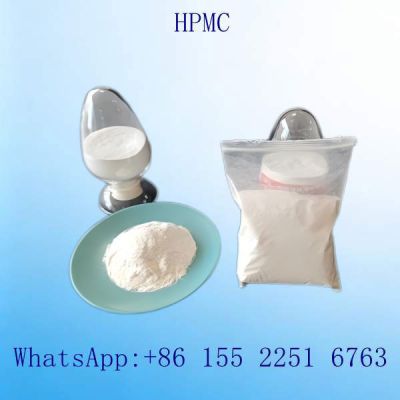
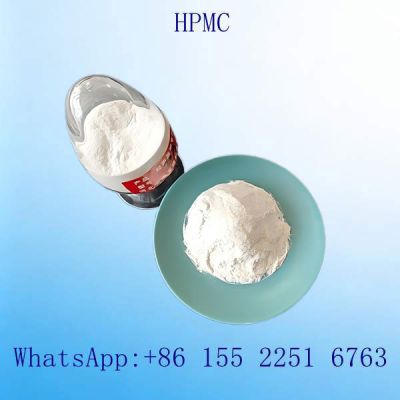
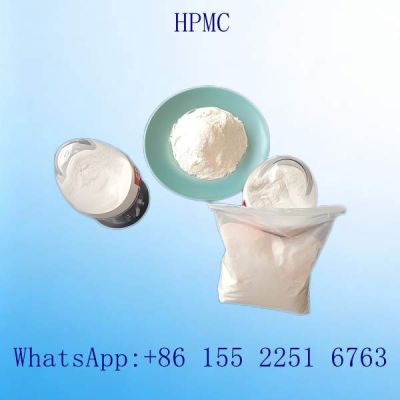
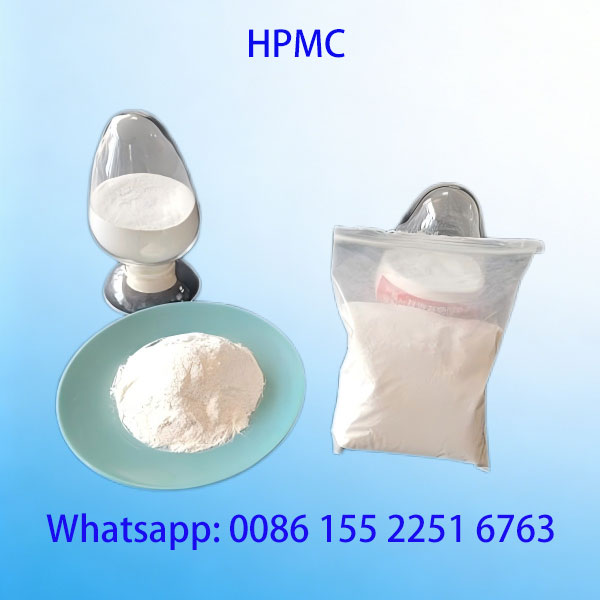
Product form:White to off-white powder
Hydroxypropyl Content: 9-12%
Methoxyl Content: 18-24%
Viscosity: 300-200,000 mPa.s
CAS No.: 9004-65-3
Email: sales03@eclatmat.com
Tel: +86-155 2251 6763
Free samples are available!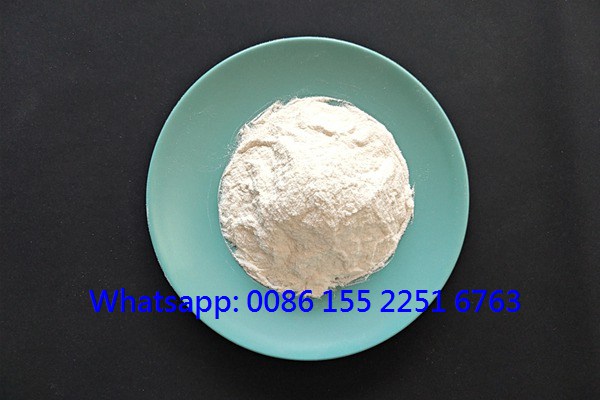
HPMC cellulose is the member of the cellulose ether family that most formulators end up standardizing on. Every ether in that family starts from the same natural cellulose backbone; what separates them is the set of substituent groups attached to it. Hydroxypropyl methylcellulose carries two of them — methoxyl at 19–30% and hydroxypropyl at 4–12% — and that particular pairing produces the most balanced combination of water retention (≥90%), thickening range (300–200,000 mPa·s) and thermal behavior (reversible gelation at 65–75°C) in the family.
Buyers who compare ethers grade by grade keep arriving at the same conclusion: HPMC cellulose is rarely the extreme performer in any single property, but it is the only one that delivers all four core functions at once, in a nonionic white or off-white powder that hydrates in cold water and stays stable from pH 6.0 to 7.0. For procurement teams, that balance translates into one grade family covering construction, coatings and industrial liquid formulations — one specification, one supplier, one COA per batch.
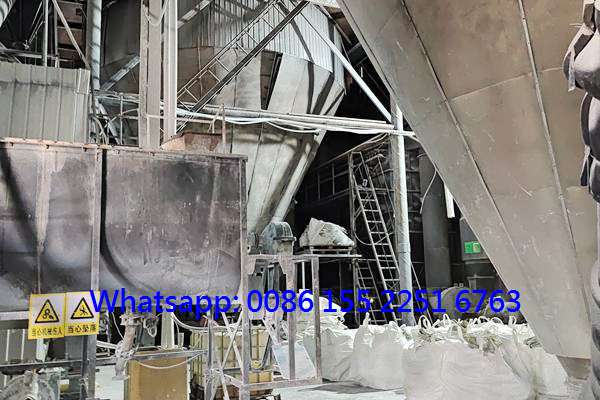
Every batch of HPMC cellulose is produced to the same specification and verified in the laboratory before release. A certificate of analysis accompanies each shipment.
| Parameter | Specification |
|---|---|
| Appearance | White or off-white powder |
| Viscosity | 300–200,000 mPa·s |
| Methoxyl content | 19–30% |
| Hydroxypropyl content | 4–12% |
| Bulk density | 350–450 kg/m³ |
| pH value | 6.0–7.0 |
| Water retention rate | ≥90% |
| Gelation temperature | 65–75°C |
The family comparison matters because it plays out differently in each formulation category. Three examples cover the bulk of global HPMC cellulose demand.
Mortars, tile adhesives and plasters are loaded with electrolytes from cement and gypsum. Anionic cellulose ethers lose viscosity in that environment; HPMC cellulose, carrying no charge, keeps retaining ≥90% of mixing water and holding open time regardless of the ions around it. One nonionic powder handles water retention, anti-sag and workability across the whole dry-mix range of 300–200,000 mPa·s grades.
Water-based paints need a thickener that suspends pigments for months in the can yet lets the paint thin under brush shear. HPMC cellulose provides exactly that pseudoplastic profile, and it also contributes film formation and water retention during drying. Ethers without a gelation window cannot offer the thermal margin HPMC holds between 65 and 75°C, which matters in tinting and warm-climate storage.
Detergents, ceramic slurries and specialty liquids are built around high electrolyte levels and aggressive surfactant packages. Because HPMC cellulose is nonionic and sits at a neutral pH of 6.0–7.0, it thickens and suspends in these systems without reacting with anything else in the formula — the property that anionic and synthetic thickeners cannot guarantee across a broad formulation space.
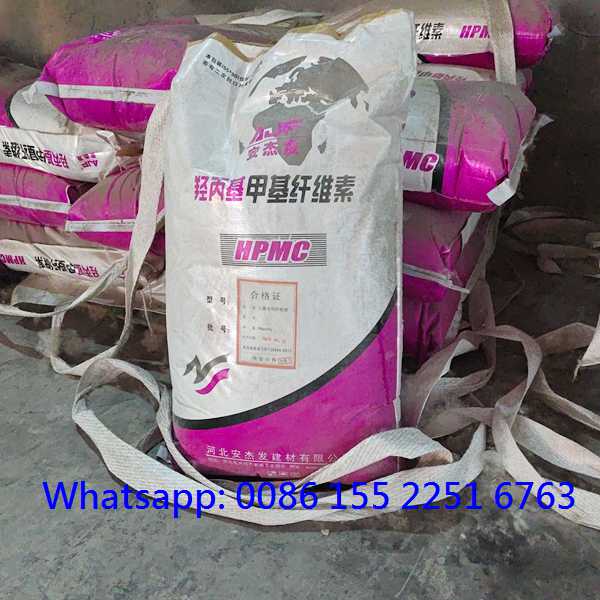
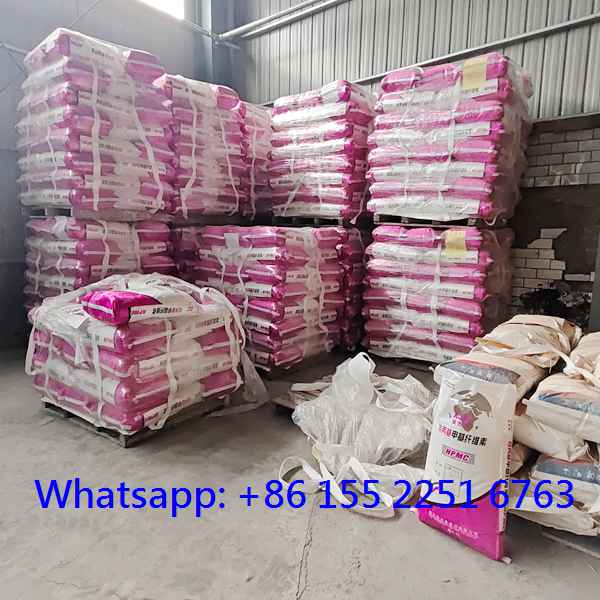
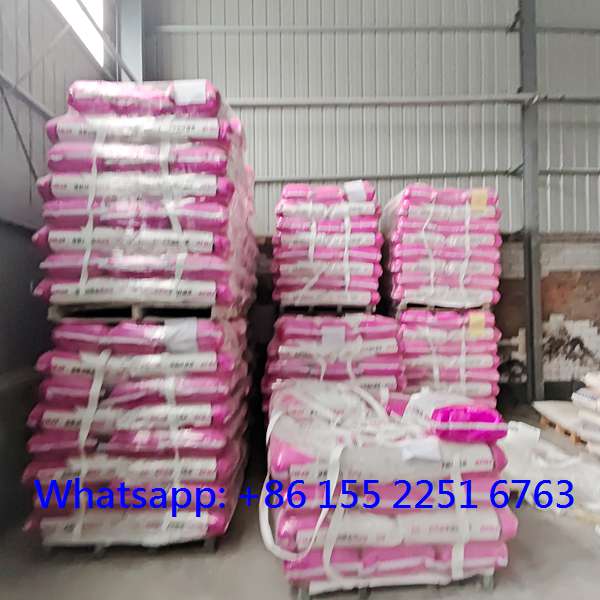
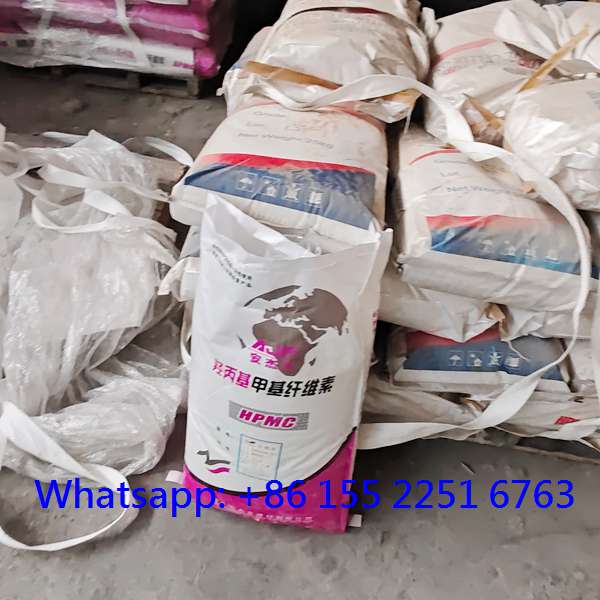
Every grade we supply is shipped in one dependable export format: a standard 25 kg bag with consistent net weight on every unit.
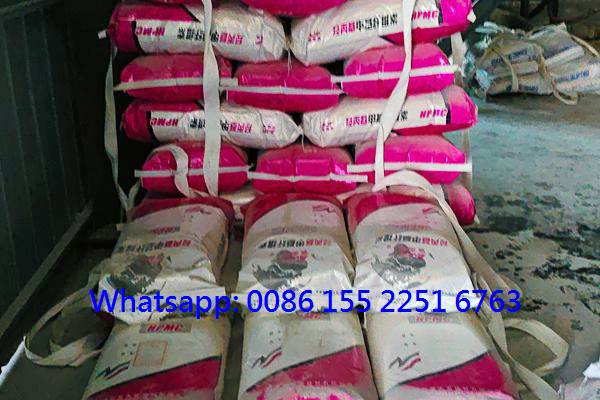
One supplier, one standard. These are the reasons formulators keep reordering.
Every production batch is tested in our own laboratory before release — viscosity, methoxyl and hydroxypropyl content, pH, water retention rate and gelation temperature are verified against the specification sheet, and a certificate of analysis (COA) is issued for each shipment. Our chemists also help you match the right grade to your formulation and target viscosity.
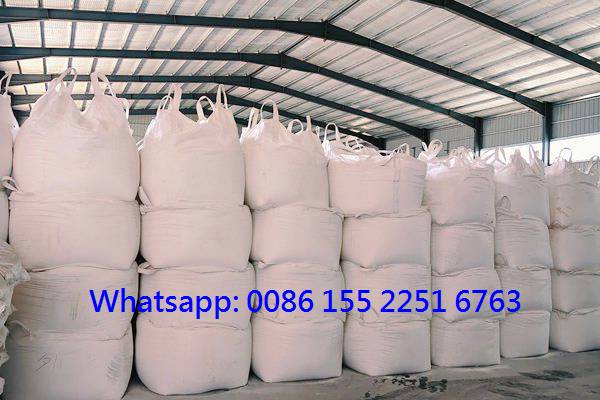
Beyond the standard 25 kg bag, we offer flexible packaging customization — private-label and OEM bags printed with your brand, custom labelling for local markets, and packing formats arranged to your warehouse or project requirements. Share your specification with the order and we will confirm the details before production.

No. Cellulose is the natural polymer they share as a raw material. HPMC cellulose is a derivative: the cellulose backbone chemically modified with methoxyl (19–30%) and hydroxypropyl (4–12%) groups, which turns an insoluble fiber into a cold-water-soluble powder with thickening, water retention, film-forming and gelation properties.
Methylcellulose carries only methoxyl groups. HPMC cellulose adds hydroxypropyl substitution, which improves solubility and shifts reversible gelation to 65–75°C — a higher, more workable window than plain MC offers in warm climates and hot processes.
Because CMC is anionic, its viscosity collapses in electrolyte-rich systems such as cement mortars, saline liquids and many detergents. HPMC cellulose is nonionic, so it holds its viscosity and its ≥90% water retention in exactly the systems where CMC fails — usually the cheaper choice per unit of delivered performance.
Bulk density (350–450 kg/m³) determines how the powder flows through dosing equipment and how much volume a bag occupies per kilo. Consistent bulk density from batch to batch keeps your volumetric dosing accurate without recalibration — one of the checks recorded on every COA.
Dry-mix construction materials are the largest volume market, followed by water-based coatings, then industrial liquid formulations such as detergents and ceramic slurries. The same grade family spans all of them through the 300–200,000 mPa·s viscosity range.
Yes. Free samples and the certificate of analysis for the exact batch are part of every quotation. Send your target industry and viscosity to sales03@eclatmat.com and our technical team responds with a grade recommendation within 24 hours.
Tell us your industry and target viscosity. We will recommend the right grade, confirm pricing and dispatch a free sample — typically within 24 hours.
Email sales03@eclatmat.comTIANJIN ECLAT CO.,LTD.....[ read more>>]


Contact Person:Chris Liu
Tel:+86-22-29736899
Mobile Phone:+86-15522516763
WhatsApp: +86-15522516763
E-mail: sales03@eclatmat.com
Office: 1-1209, Borun Business Plaza, TEDA, Tianjin, China
Factory: Zhangjiu Village, Shucheng Town, Hejian City, Cangzhou City, Hebei Province


 8615522516763