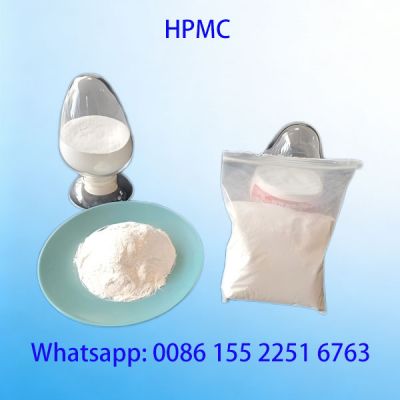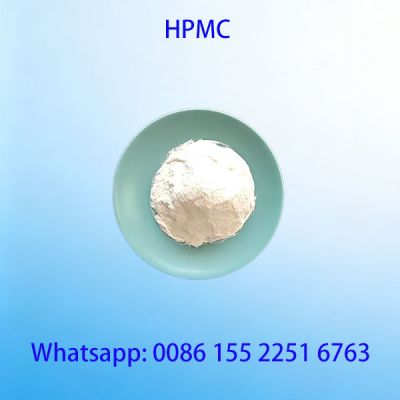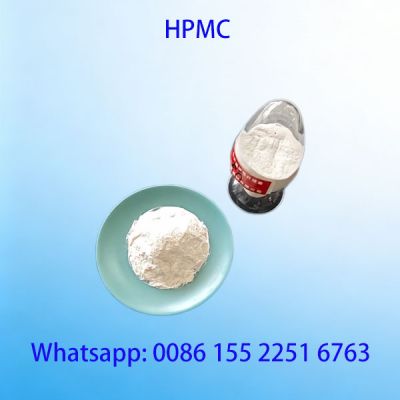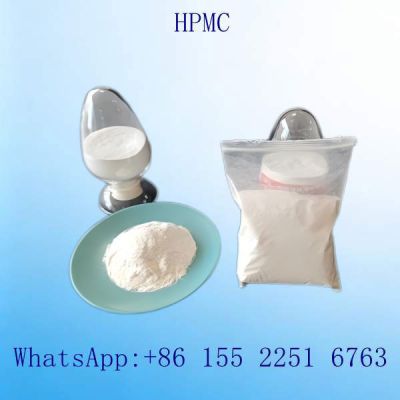
ntroduction of HPMC thickener
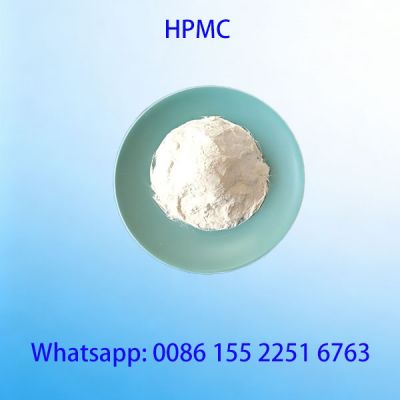
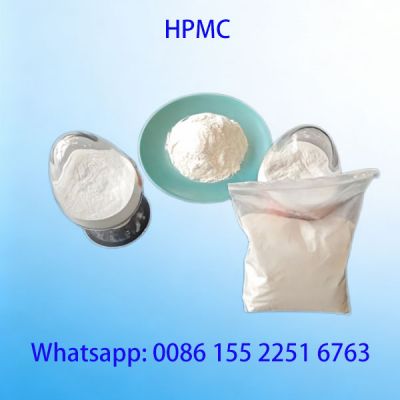
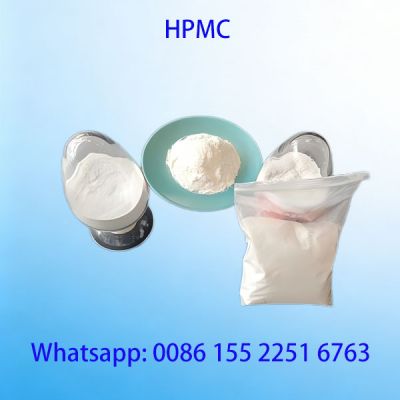
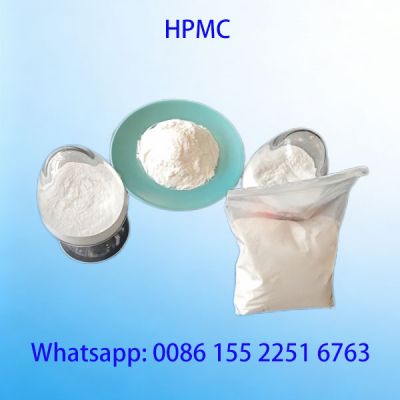
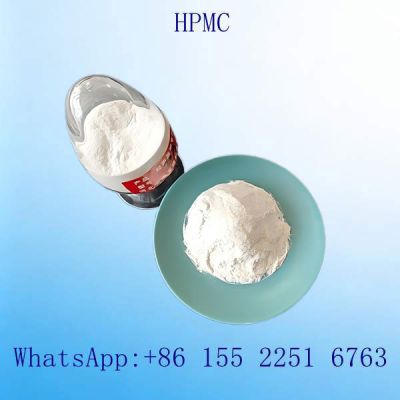
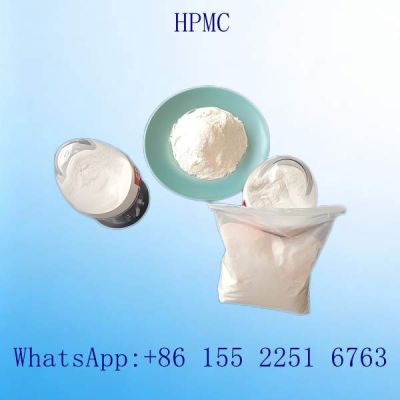
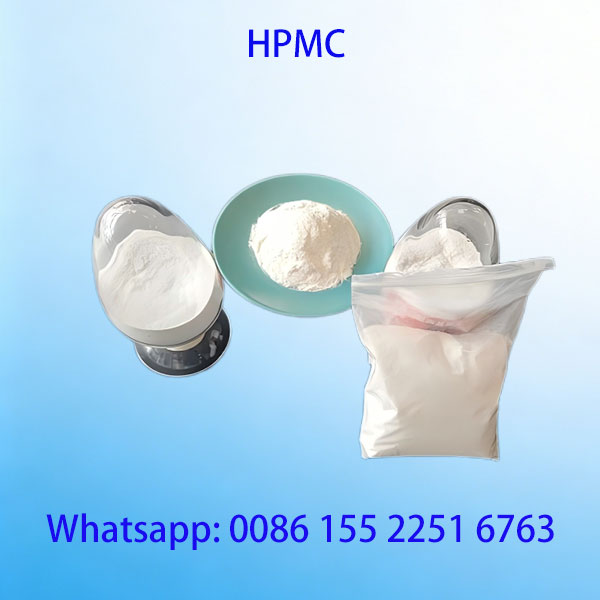
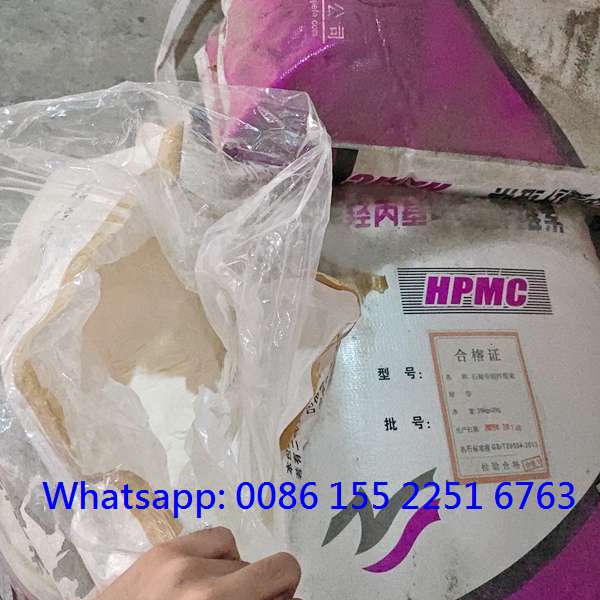
Product form:White to off-white powder
Hydroxypropyl Content: 9-12%
Methoxyl Content: 18-24%
Viscosity: 300-200,000 mPa.s
CAS No.: 9004-65-3
Email: sales03@eclatmat.com
Tel: +86-155 2251 6763
Free samples are available!
An HPMC thickener is hydroxypropyl methylcellulose selected and dosed to build viscosity in an aqueous system. When the white or off-white powder hydrates in cold water, its long polymer chains uncoil and entangle, and the liquid around them thickens — from a light 300 mPa·s body to a heavy 200,000 mPa·s paste, depending on the grade chosen. That one material span is the reason formulators treat HPMC as an entire thickener family rather than a single product.
What makes an HPMC thickener commercially valuable is not just the height of the viscosity but its shape. HPMC builds pseudoplastic — shear-thinning — flow: a formula is thick at rest, which keeps pigments, fillers and suspended solids from settling in storage, and it thins instantly under shear, which keeps the same formula pumpable, sprayable and brushable on the line. Because the polymer is nonionic with a pH of 6.0–7.0, it delivers that profile without reacting with electrolytes, surfactants or other additives — the failure mode that pushes buyers away from anionic and many synthetic thickeners.
Every batch of HPMC thickener is produced to the same specification and verified in the laboratory before release. A certificate of analysis accompanies each shipment.
| Parameter | Specification |
|---|---|
| Appearance | White or off-white powder |
| Viscosity | 300–200,000 mPa·s |
| Methoxyl content | 19–30% |
| Hydroxypropyl content | 4–12% |
| Bulk density | 350–450 kg/m³ |
| pH value | 6.0–7.0 |
| Water retention rate | ≥90% |
| Gelation temperature | 65–75°C |
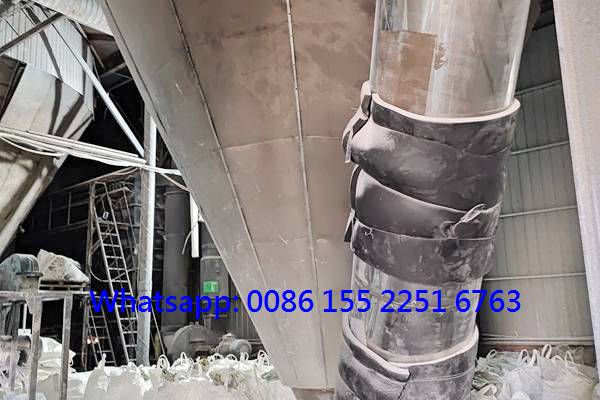
Three formulation categories account for most HPMC thickener volume — each one exploits a different corner of the same rheology.
An HPMC thickener holds pigments and fillers in suspension for months in the can, then lets the paint thin under brush or roller shear for smooth application with controlled film build. As water leaves the drying film, the same polymer contributes film formation and ≥90% water retention during the critical early minutes — three jobs from one nonionic ingredient that stays stable through tinting and long storage.
Liquid detergents are electrolyte and surfactant cocktails in which anionic thickeners lose structure. A nonionic HPMC thickener keeps its viscosity in exactly these systems, controls pouring consistency, and suspends pearls, enzymes and abrasive solids evenly from first pour to last. Cold-water solubility means it incorporates on standard mixing equipment without a heated process step.
Glaze slips and mineral slurries carry a high solids load that hard-settles without yield value. At the top of the 300–200,000 mPa·s range, an HPMC thickener supplies the rest-state structure that keeps solids homogeneous, while shear-thinning keeps the slurry pumpable through pipes and nozzles. The neutral pH of 6.0–7.0 protects binders and additives dissolved in the same water phase.
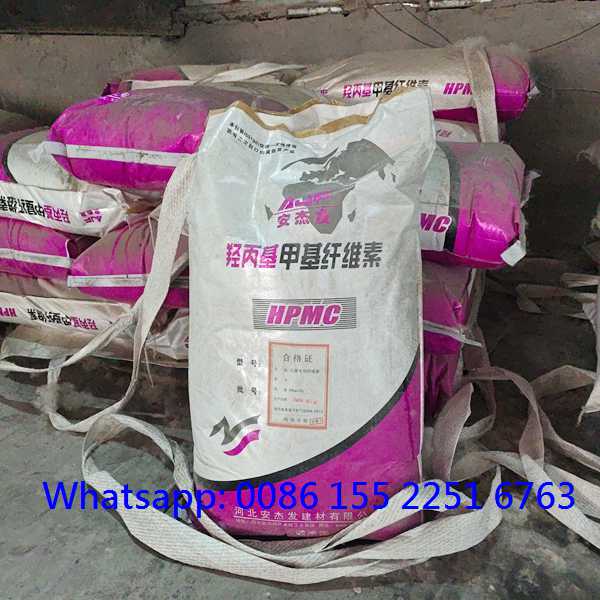
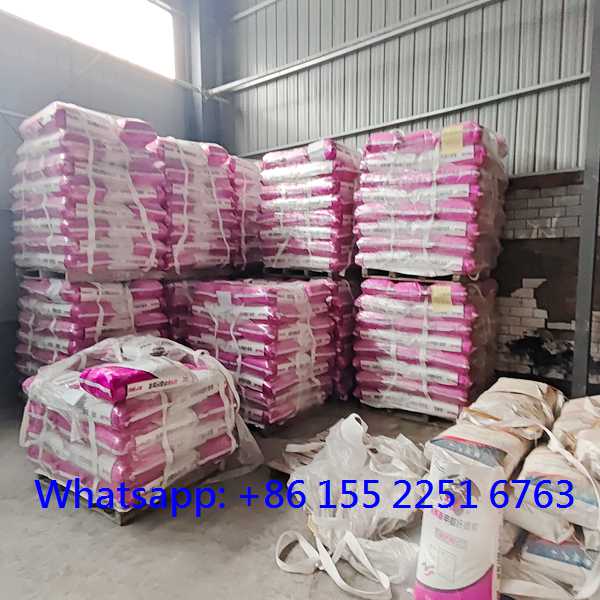
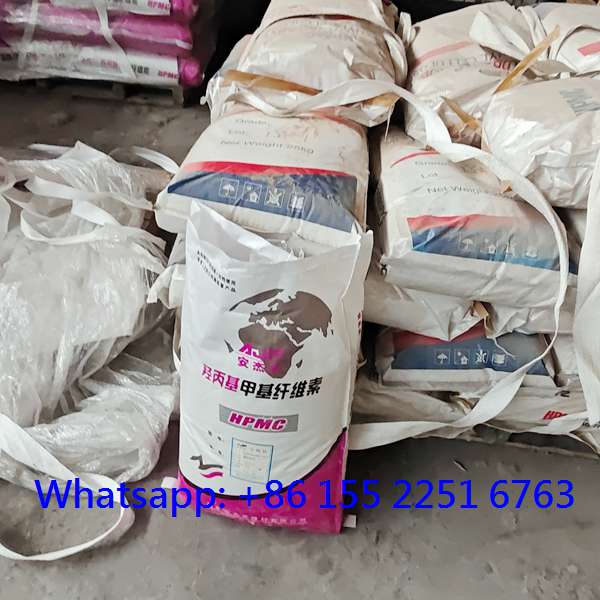
Every grade we supply is shipped in one dependable export format: a standard 25 kg bag with consistent net weight on every unit.
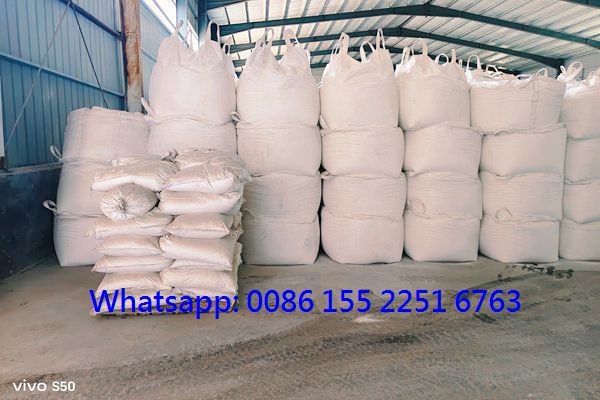
One supplier, one standard. These are the reasons formulators keep reordering.
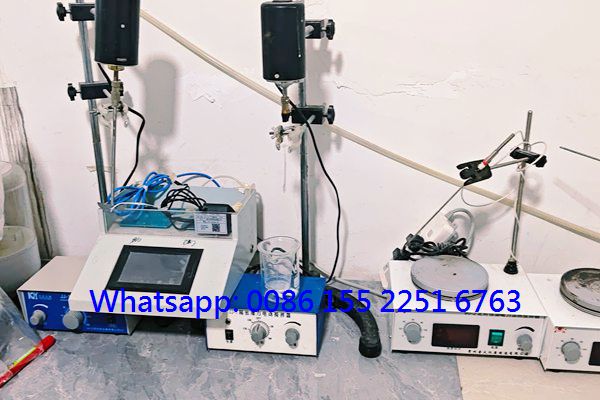
Every production batch is tested in our own laboratory before release — viscosity, methoxyl and hydroxypropyl content, pH, water retention rate and gelation temperature are verified against the specification sheet, and a certificate of analysis (COA) is issued for each shipment. Our chemists also help you match the right grade to your formulation and target viscosity.
Beyond the standard 25 kg bag, we offer flexible packaging customization — private-label and OEM bags printed with your brand, custom labelling for local markets, and packing formats arranged to your warehouse or project requirements. Share your specification with the order and we will confirm the details before production.
Hydrated HPMC chains uncoil in water and resist flow by entanglement and hydrogen bonding with the water itself. At rest those interactions dominate and viscosity is high; under shear the chains align with the flow and viscosity drops — the pseudoplastic profile. Remove the shear and the structure rebuilds immediately.
Match the grade to the rest-state structure your system needs, anywhere in the 300–200,000 mPa·s range: low grades for sprayable liquids, mid grades for paints and detergents, high grades for heavy pastes and slurries. Send us your application and target consistency and our technical team recommends the grade — with a free sample to confirm it in your own formula.
Electrolyte tolerance. Many acrylic thickeners lose efficiency in high-salt, high-surfactant systems, while nonionic HPMC holds its viscosity across the same formulation space. HPMC also adds water retention and film formation that acrylics do not provide — and it disperses in cold water with no neutralization step.
Viscosity holds through normal storage and use temperatures. Between 65 and 75°C the solution gels reversibly and then returns to its liquid state on cooling — a behavior some hot processes use deliberately, and a window to hydrate below when you first dissolve the powder.
Yes — that is the point of pseudoplasticity. At rest the formula has enough yield value to keep pigments, pearls or mineral solids suspended for months; under the mild shear of pouring, pumping or brushing it flows freely. You choose where that balance sits by grade selection and dosage.
Request a free sample plus the batch COA — typically dispatched within 24 hours of your inquiry to sales03@eclatmat.com. Hydrate it in cold water, measure the viscosity it builds, and run it in your actual formula before committing to production volume.
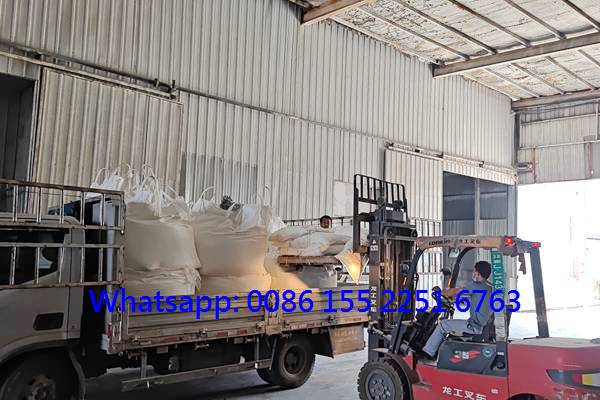
Tell us your system and target viscosity. We will recommend the right grade, confirm pricing and dispatch a free sample — typically within 24 hours.
Email sales03@eclatmat.comTIANJIN ECLAT CO.,LTD.....[ read more>>]


Contact Person:Chris Liu
Tel:+86-22-29736899
Mobile Phone:+86-15522516763
WhatsApp: +86-15522516763
E-mail: sales03@eclatmat.com
Office: 1-1209, Borun Business Plaza, TEDA, Tianjin, China
Factory: Zhangjiu Village, Shucheng Town, Hejian City, Cangzhou City, Hebei Province


 8615522516763