Introduction of HPMC for paint
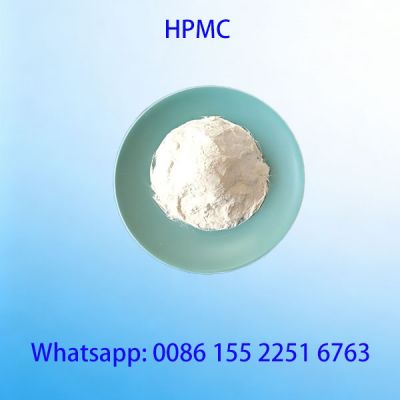
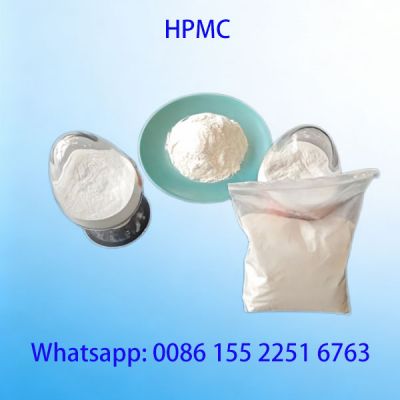
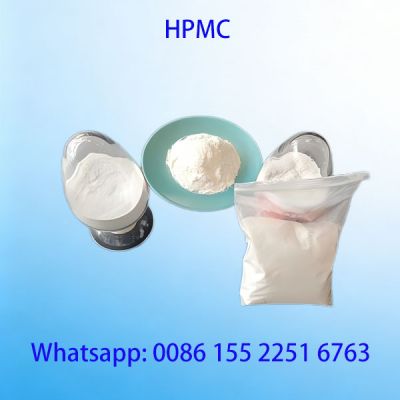
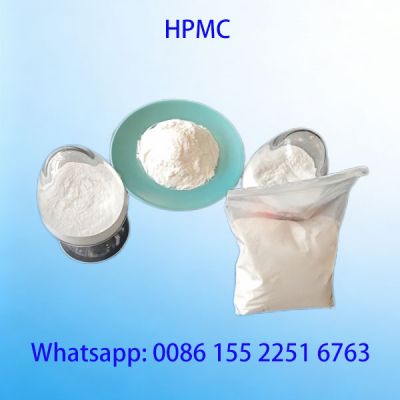
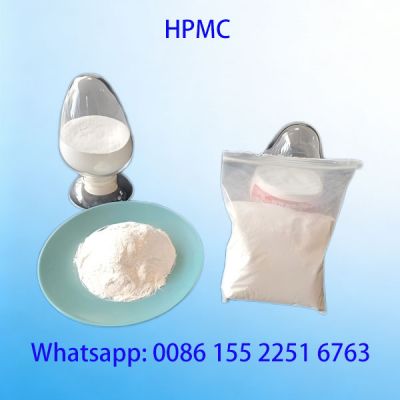
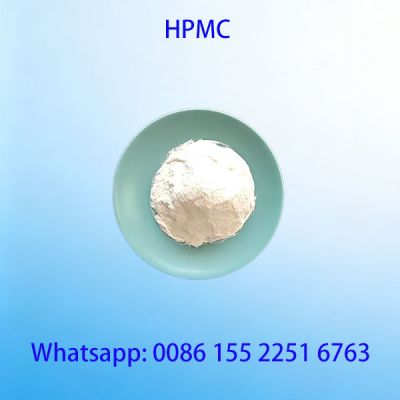
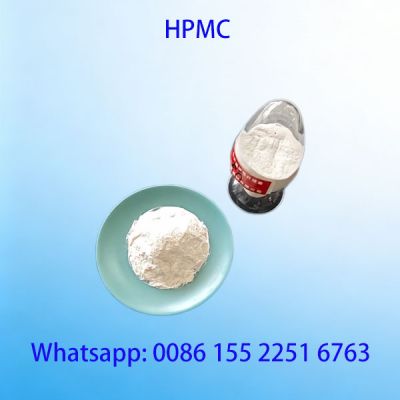
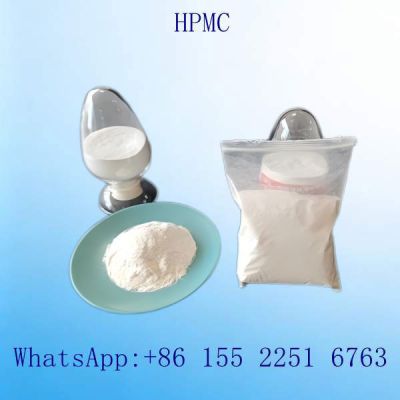
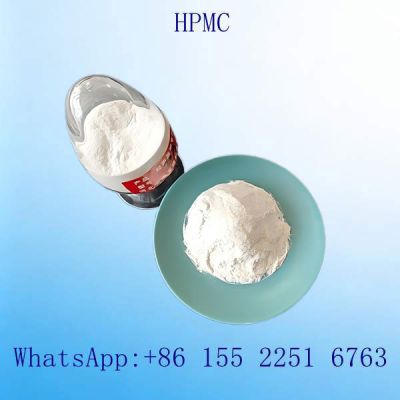
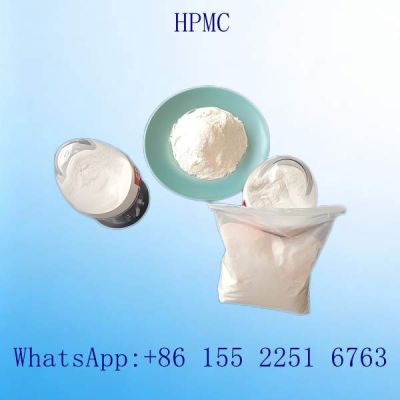
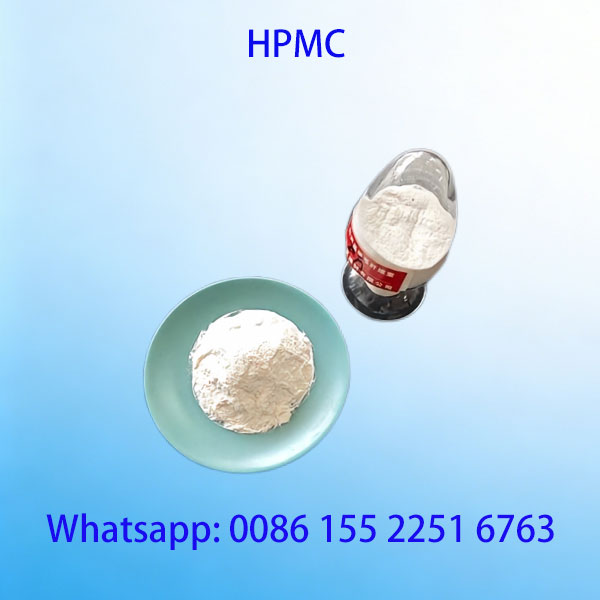
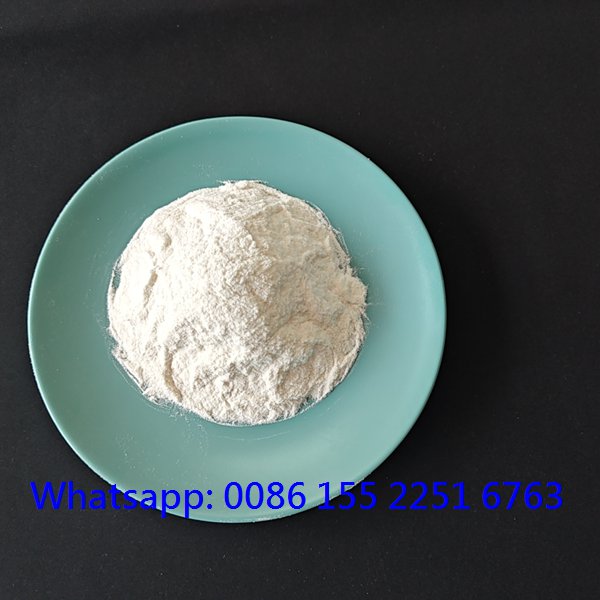
Product form:White to off-white powder
Hydroxypropyl Content: 9-12%
Methoxyl Content: 18-24%
Viscosity: 300-200,000 mPa.s
CAS No.: 9004-65-3
Email: sales03@eclatmat.com
Tel: +86-155 2251 6763
Free samples are available!
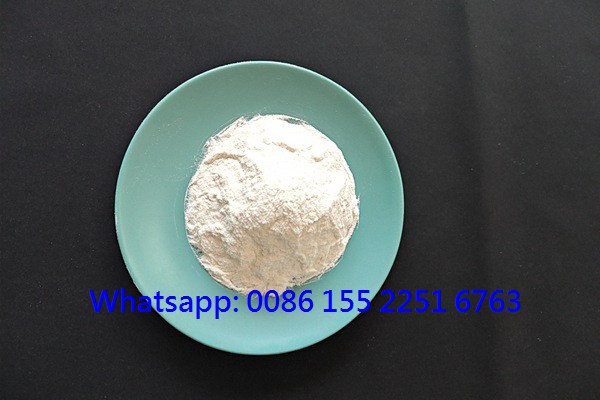
Hydroxypropyl methylcellulose (HPMC) is a nonionic, water-soluble cellulose ether that works as a true multifunctional additive in paint. In one free-flowing white powder it combines thickening, water retention, pigment suspension and film-forming support, which is why formulators of water-based architectural and industrial coatings rely on it for day-to-day production stability.
In practice, HPMC for paint builds structure in the can and releases it under the brush. At rest, its long polymer chains hold titanium dioxide and extenders in uniform suspension. Under the shear of a roller or spray gun the formulation thins for smooth, even transfer. The moment shear stops, viscosity rebuilds — locking the wet film on vertical surfaces without runs, sags or spatter.
Every batch of paint-grade HPMC is produced to the same specification and verified in the laboratory before release. A certificate of analysis accompanies each shipment.
| Parameter | Specification |
|---|---|
| Appearance | White or off-white powder |
| Viscosity | 300–200,000 mPa·s |
| Methoxyl content | 19–30% |
| Hydroxypropyl content | 4–12% |
| Bulk density | 350–450 kg/m³ |
| pH value | 6.0–7.0 |
| Water retention rate | ≥90% |
| Gelation temperature | 65–75°C |
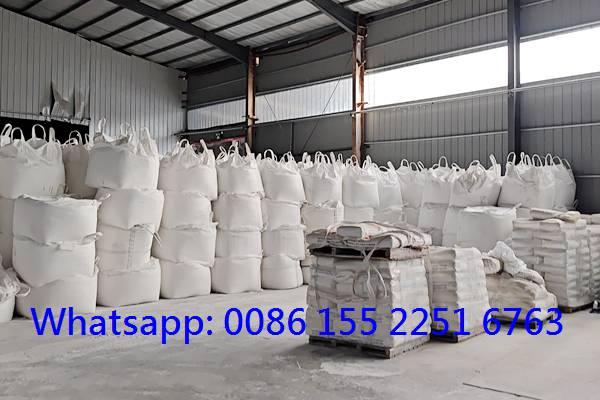
One polymer, three jobs in the paint plant. The same product family covers architectural emulsions, heavy texture systems and in-can quality control — only the viscosity grade changes.
In flat, eggshell and satin emulsions, HPMC delivers the balance painters ask for: high in-can viscosity for storage, low high-shear viscosity for smooth brush and roller application, and rapid structure recovery that eliminates lap marks and spatter. A neutral pH of 6.0–7.0 keeps acrylic and VAE binders stable throughout the service life of the product.
High-viscosity HPMC grades generate the yield value that cementitious and acrylic texture products need to cling to walls without slumping. At the same time, water retention of ≥90% keeps porous substrates hydrated so binders film-form correctly instead of flashing dry — the difference between a durable relief finish and a cracked one.
At rest the polymer network traps pigments and fillers in uniform dispersion, preventing hard settling during transport and shelf storage. The paint you ship is the paint your customer opens: consistent color, consistent hiding power and easy redispersion, liter after liter.
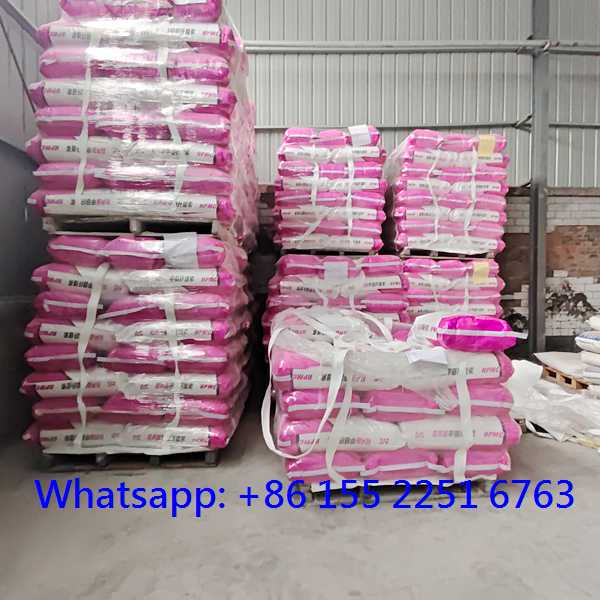
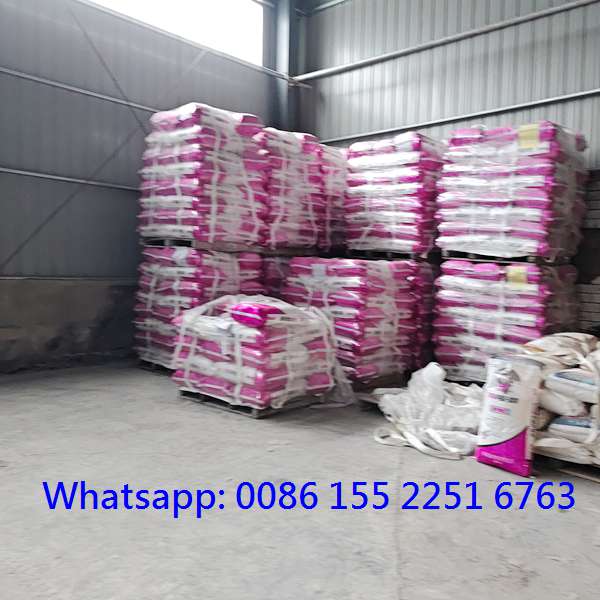
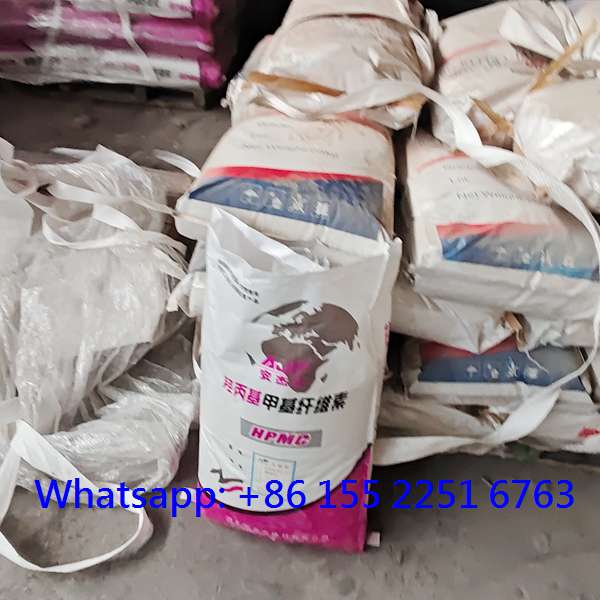
Every grade we supply is shipped in one dependable export format: a standard 25 kg bag with consistent net weight on every unit.
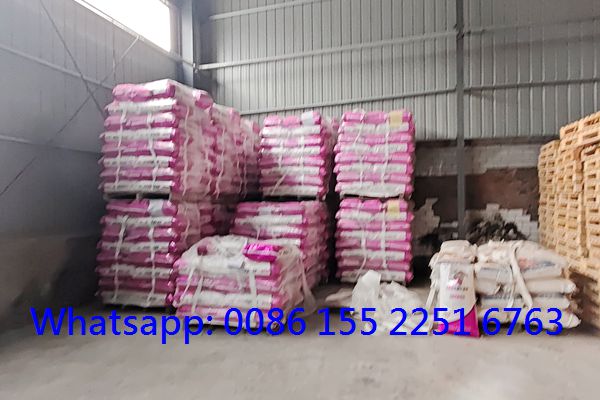
One supplier, one standard. These are the reasons coating manufacturers keep reordering.
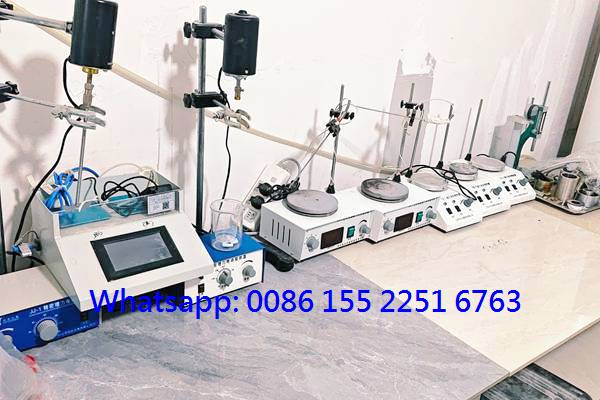
Every production batch is tested in our own laboratory before release — viscosity, methoxyl and hydroxypropyl content, pH, water retention rate and gelation temperature are verified against the specification sheet, and a certificate of analysis (COA) is issued for each shipment. Our chemists also help you match the right grade to your formulation and target viscosity.
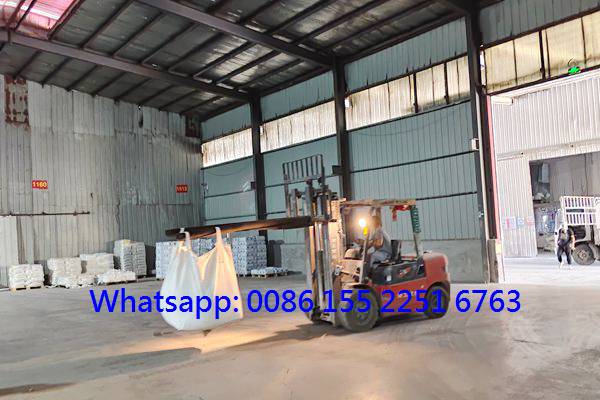
Beyond the standard 25 kg bag, we offer flexible packaging customization — private-label and OEM bags printed with your brand, custom labelling for local markets, and packing formats arranged to your warehouse or project requirements. Share your specification with the order and we will confirm the details before production.
It depends on the coating. Mid-range grades suit standard emulsion paints where leveling matters most, while high-viscosity grades build the sag resistance required for texture coatings and putties. Send us your formulation target and our technical team will recommend the right grade from the 300–200,000 mPa·s range.
HPMC disperses readily in cold water under normal agitation. Add it slowly to the water phase before the binder, allow time for full hydration, then continue with your standard manufacturing sequence. No special equipment or heating step is required.
No — the opposite. HPMC is pseudoplastic: it thins under the shear of rolling for smooth transfer, then rebuilds viscosity the instant shear stops. This combination is exactly what reduces spatter and keeps the film where you apply it.
HPMC is nonionic, so it does not react with anionic or cationic components. With a neutral pH of 6.0–7.0 it is compatible with acrylic, vinyl acetate and VAE emulsion systems, as well as common dispersants, defoamers and coalescents.
The resting viscosity of HPMC holds pigments and fillers in suspension, preventing hard settling and color drift in the can. Paints remain homogeneous from the first liter to the last, simplifying quality control and reducing customer complaints.
Yes. Every production batch is tested against the published specification and ships with a COA. Free samples are available for laboratory and plant trials, and inquiries to sales03@eclatmat.com are answered within 24 hours.
Tell us your paint system and target consistency. We will recommend the right viscosity grade, confirm pricing and dispatch a free sample — typically within 24 hours.
Email sales03@eclatmat.comTIANJIN ECLAT CO.,LTD.....[ read more>>]


Contact Person:Chris Liu
Tel:+86-22-29736899
Mobile Phone:+86-15522516763
WhatsApp: +86-15522516763
E-mail: sales03@eclatmat.com
Office: 1-1209, Borun Business Plaza, TEDA, Tianjin, China
Factory: Zhangjiu Village, Shucheng Town, Hejian City, Cangzhou City, Hebei Province


 8615522516763