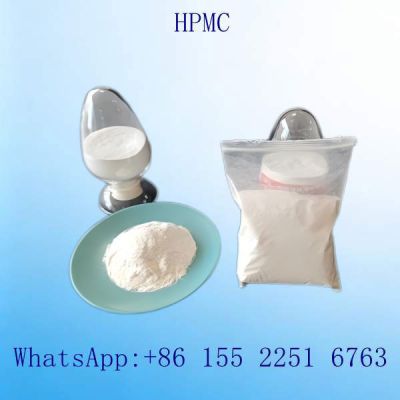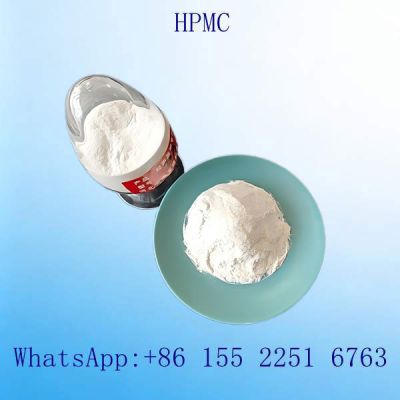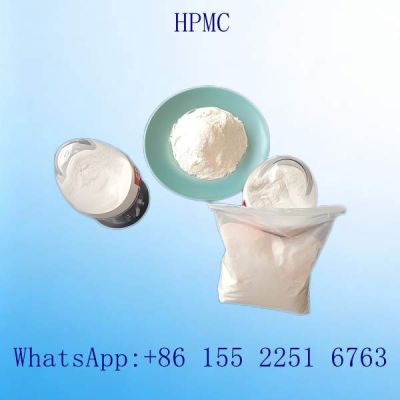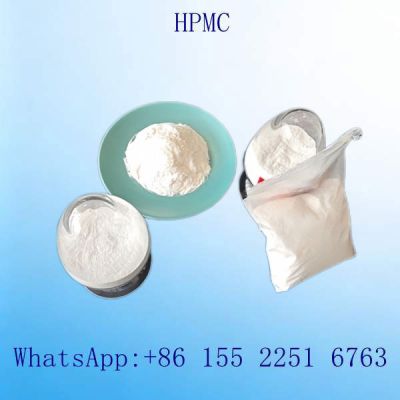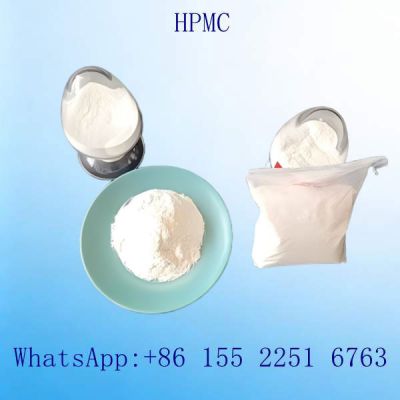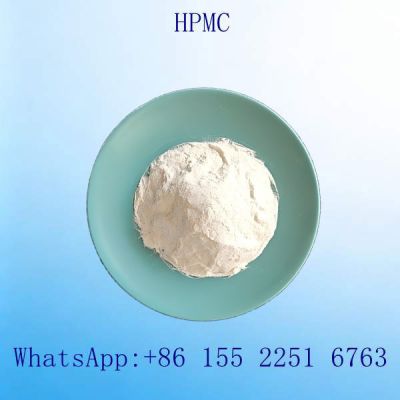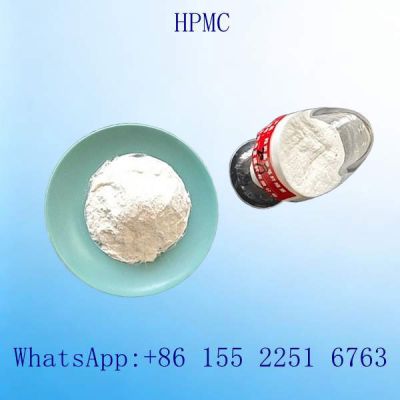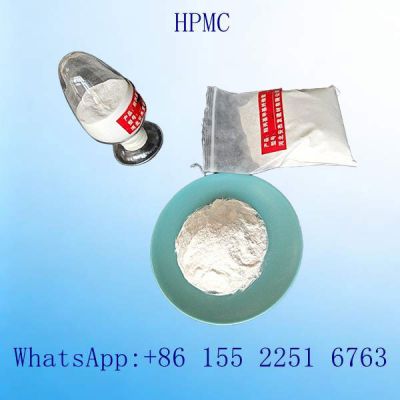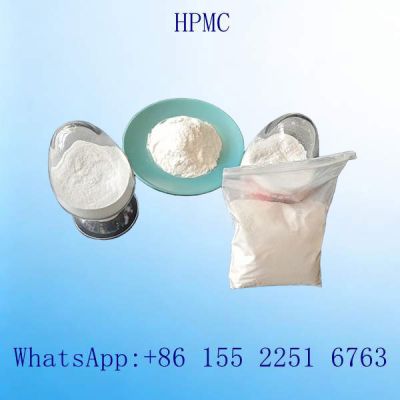
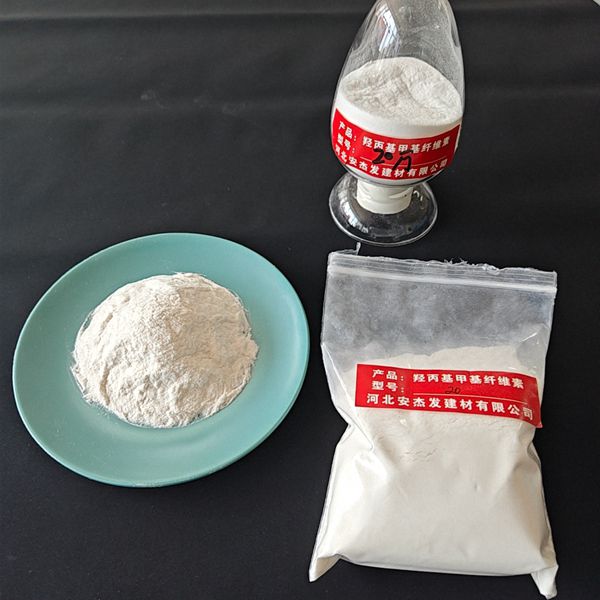
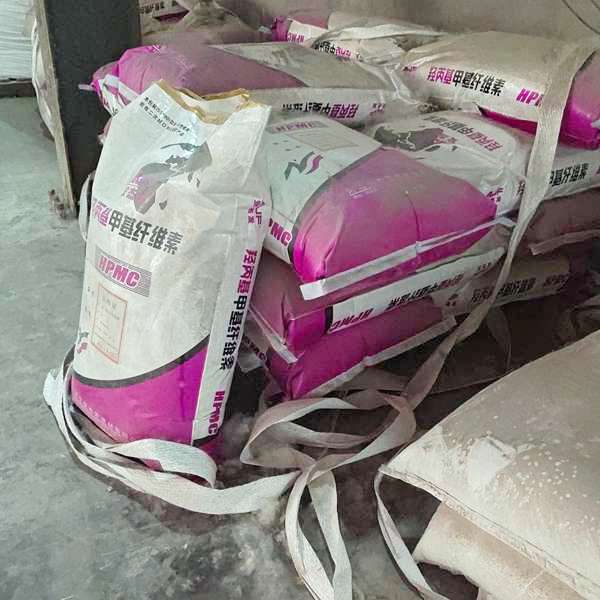
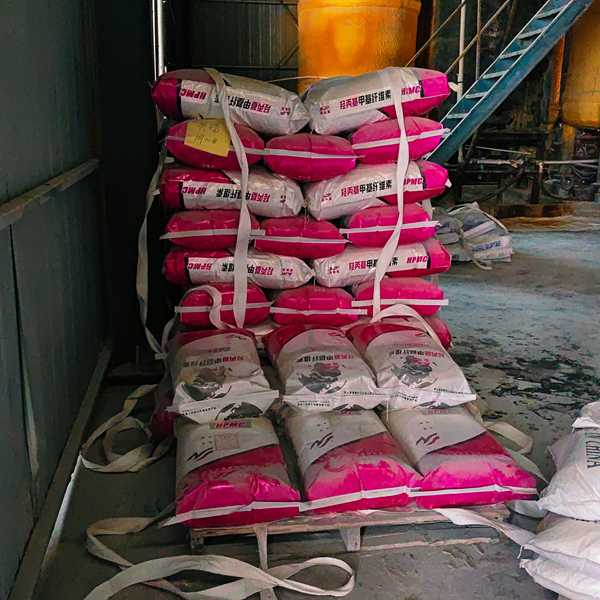
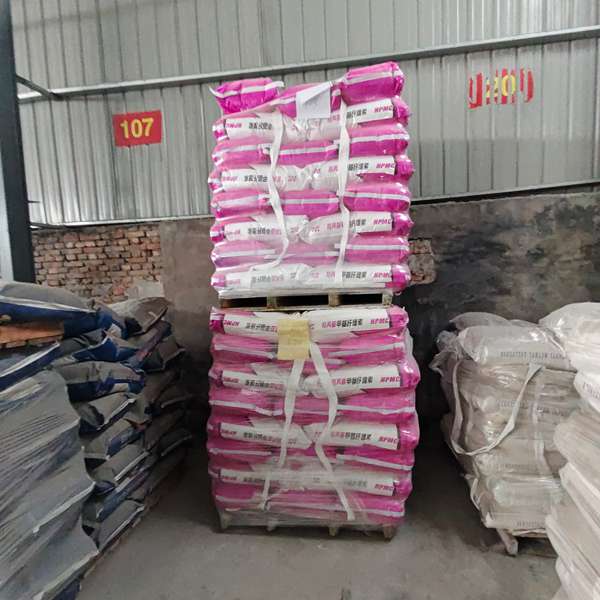
Product form:White to off-white powder
Hydroxypropyl Content: 9-12%
Methoxyl Content: 18-24%
Viscosity: 300-200,000 mPa.s
Particle Size:98.5%pass 80-100 mesh; 100% pass 80 mesh
Purity: 95%
Moisture: ≤5%
CAS No.: 9004-65-3
Email: sales03@eclatmat.com
Tel: +86-155 2251 6763
Free samples are available!
From tile adhesives to tablet coatings, hydroxypropyl methyl cellulose uses span nearly every water-based formulation industry. As a manufacturer, we explain the main hydroxypropyl methyl cellulose uses, the viscosity grade behind each one, and how our 300–200,000 mPa·s portfolio matches every application.
Discuss Your Application With Our LabHydroxypropyl methyl cellulose is a non-ionic cellulose ether made by grafting methyl groups (19–30% methoxyl content) and hydroxypropyl groups (4–12% hydroxypropyl content) onto natural cellulose. This substitution balance gives the polymer four properties at once: cold-water solubility, efficient thickening, powerful water retention and reversible thermal gelation at 65–75°C.
That combination is exactly why hydroxypropyl methyl cellulose uses extend across construction, pharmaceutical, food, coatings and ceramics industries. The same molecule that keeps cement mortar workable also binds tablet powders and stabilizes sauces — only the viscosity grade changes. Our range spans 300–200,000 mPa·s, so every use case has a matching grade.
Supplied as a white or off-white powder with a bulk density of 350–450 kg/m³ and a neutral pH of 6.0–7.0, hydroxypropyl methyl cellulose disperses cleanly in water without reacting with salts, surfactants or binders — the non-ionic character that makes it welcome in so many formulations.
The largest of all hydroxypropyl methyl cellulose uses: tile adhesives, renders, skim coats and self-leveling compounds depend on its water retention of at least 90% for extended open time, sag resistance and complete cement hydration.
In tablet production, hydroxypropyl methyl cellulose binds powders into hard, uniform compacts and forms smooth coating films. Its neutral pH of 6.0–7.0 and non-ionic character keep it compatible with active ingredients.
Food manufacturers use hydroxypropyl methyl cellulose to thicken sauces, stabilize emulsions and create fat-like textures. Reversible gelation at 65–75°C holds shape during heating and releases it on cooling.
Water-based paints rely on mid-range grades for brushability, spatter control and pigment suspension. As a non-ionic thickener, hydroxypropyl methyl cellulose performs reliably across a wide pH window without flocculation.
Ceramic bodies gain green strength and defect-free drying, while detergent formulations keep particles evenly suspended — two more hydroxypropyl methyl cellulose uses served by grades across the 300–200,000 mPa·s range.
Gypsum plasters, wallpaper pastes, welding rod coatings and oilfield fluids all exploit the same trait set — cold-water solubility, stable viscosity and water retention of 90% or higher — tailored by grade selection.
| Parameter | Specification |
|---|---|
| Appearance | White or off-white powder |
| Viscosity | 300–200,000 mPa·s |
| Methoxyl content | 19–30% |
| Hydroxypropyl content | 4–12% |
| Bulk density | 350–450 kg/m³ |
| pH value | 6.0–7.0 |
| Water retention rate | ≥90% |
| Gelation temperature | 65–75°C |
These specifications apply to all grades across the hydroxypropyl methyl cellulose uses described above. Custom viscosity grades within the 300–200,000 mPa·s range are available on request.
Years of cellulose ether manufacturing experience
Export countries served across five continents
Minimum water retention rate, verified per batch
Average quotation response with technical data sheets
The five main uses are water retention and thickening in construction mortars, binding and film forming in pharmaceuticals, texture stabilization in food, rheology control in coatings, and binding or suspension in ceramics and detergents.
Within our 300–200,000 mPa·s range, lower viscosities suit self-leveling compounds, sprays and coatings; mid-range grades serve tile adhesives, renders and tablets; high-viscosity grades maximize water retention in mortars and specialty binders.
Its water retention rate of 90% or higher prevents premature moisture loss, giving the adhesive longer open time, better wetting of the tile back and full cement hydration for final strength.
Sometimes. Mid-range grades around the middle of the 300–200,000 mPa·s spectrum often serve both renders and skim coats. For best economics, share your formulations with our lab and we will consolidate or split grades as performance requires.
Yes. Free samples ship by express courier for lab verification, 25 kg trial quantities support pilot runs, and MOQ for standard grades is 500 kg.
Every lot ships with a certificate of analysis covering viscosity, substitution contents, pH, bulk density, water retention and gelation temperature. Test the sample against your own formulation targets first — we supply the data to verify it.
Tell us your application, target viscosity and monthly volume. Our technical team responds within 24 hours with grade recommendations, pricing, documentation and a free sample shipped by express courier.
Contact Our Application SpecialistsTIANJIN ECLAT CO.,LTD.....[ read more>>]


Contact Person:Chris Liu
Tel:+86-22-29736899
Mobile Phone:+86-15522516763
WhatsApp: +86-15522516763
E-mail: sales03@eclatmat.com
Office: 1-1209, Borun Business Plaza, TEDA, Tianjin, China
Factory: Zhangjiu Village, Shucheng Town, Hejian City, Cangzhou City, Hebei Province


 8615522516763