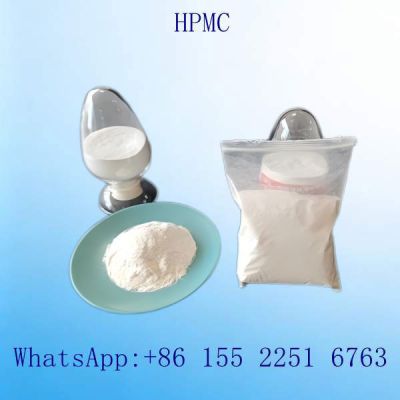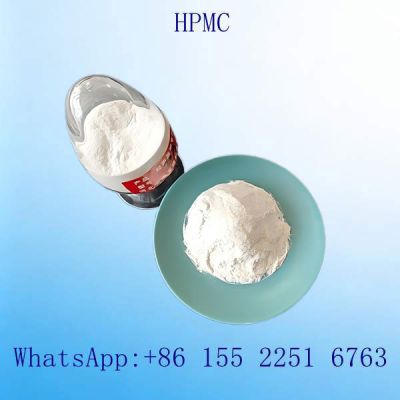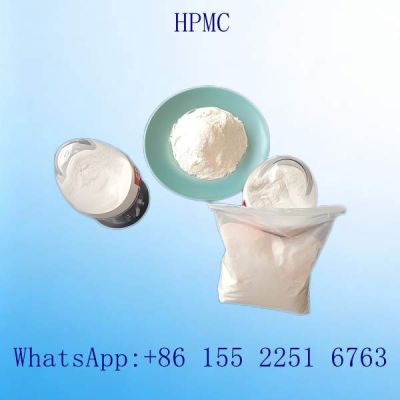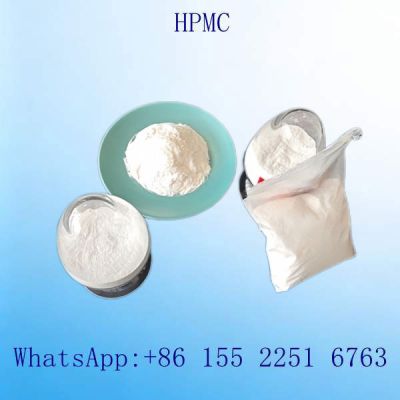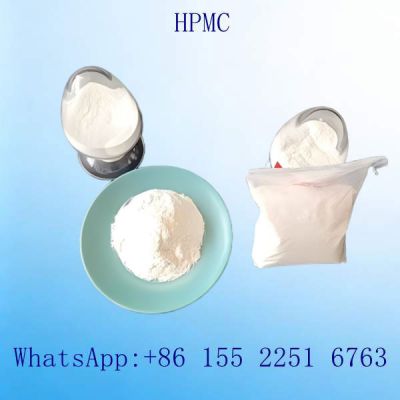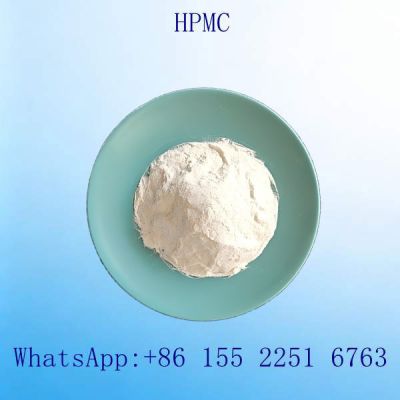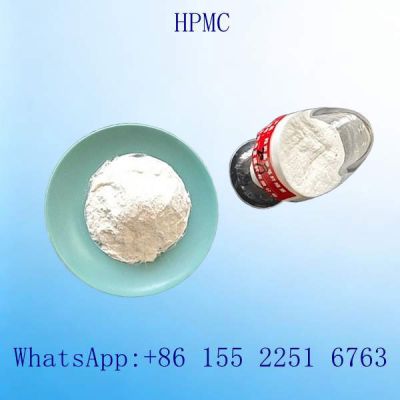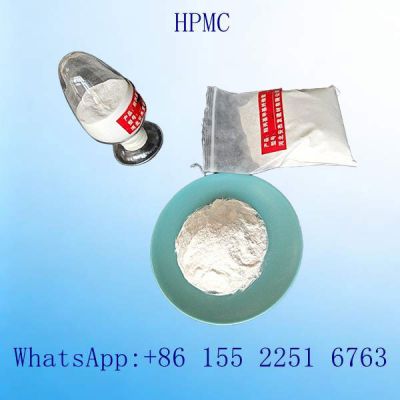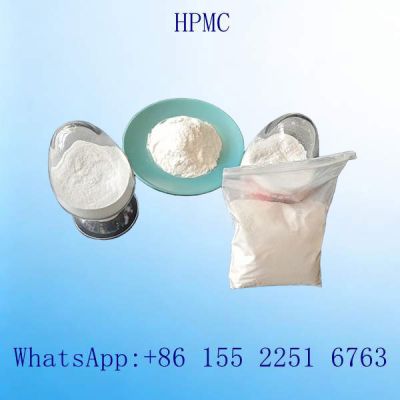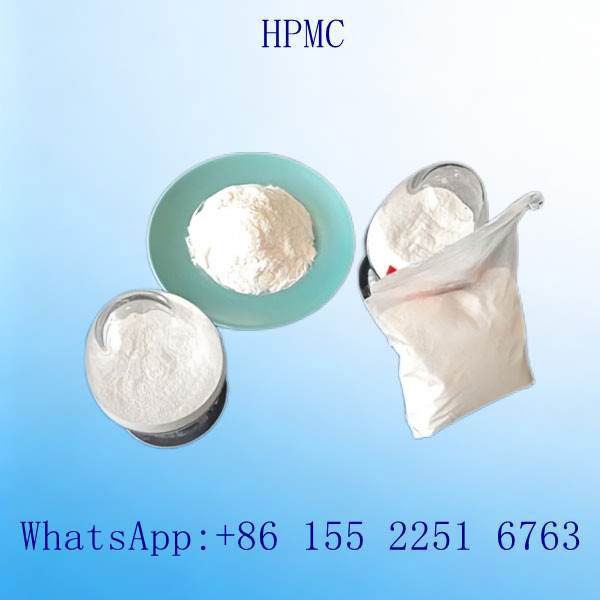
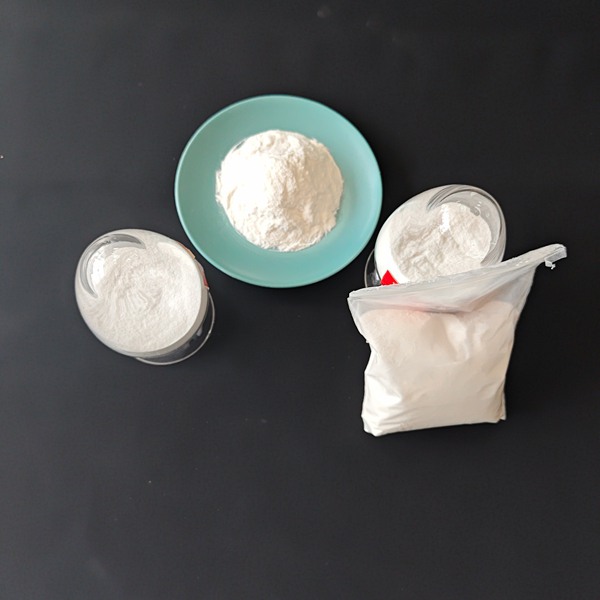
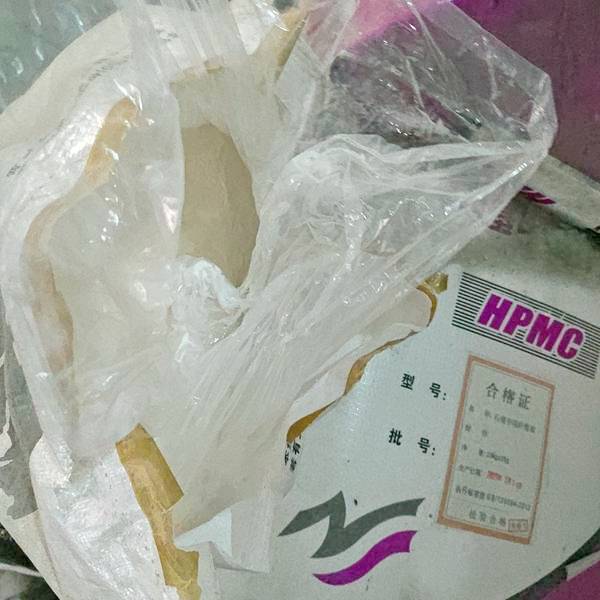
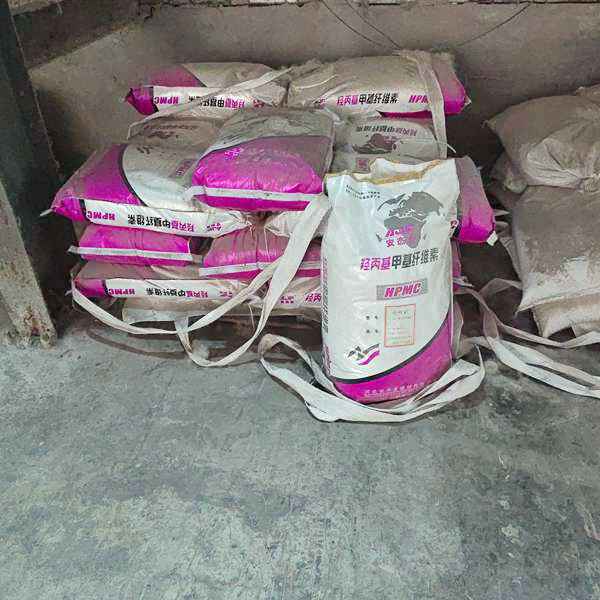
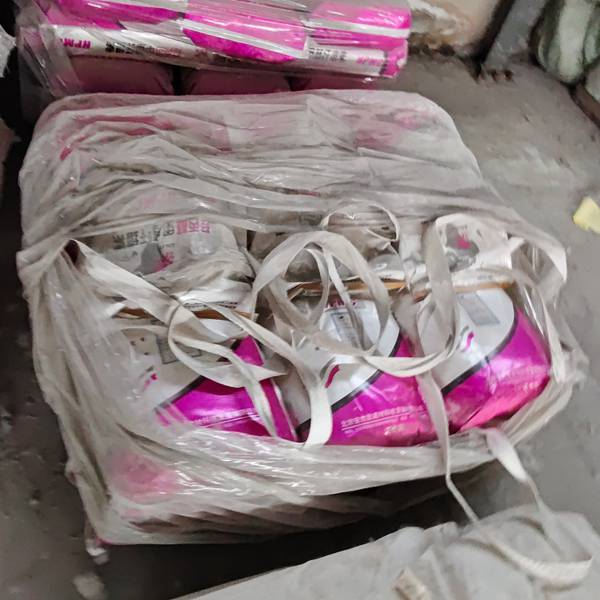
Product form:White to off-white powder
Hydroxypropyl Content: 9-12%
Methoxyl Content: 18-24%
Viscosity: 300-200,000 mPa.s
Particle Size:98.5%pass 80-100 mesh; 100% pass 80 mesh
Purity: 95%
Moisture: ≤5%
CAS No.: 9004-65-3
Email: sales03@eclatmat.com
Tel: +86-155 2251 6763
Free samples are available!
Looking for a practical cellulose ether example? Hydroxypropyl methylcellulose, or HPMC, is the most widely used cellulose ether in construction, pharmaceutical and industrial formulation — and we manufacture it with a viscosity range of 300–200,000 mPa·s, water retention of 90% or higher and batch-verified consistency.
Request an HPMC SampleCellulose ethers are water-soluble polymers made by chemically modifying natural cellulose, the structural backbone of cotton and wood fiber. The modification replaces some of the cellulose hydroxyl groups with ether substituents, transforming an insoluble natural fiber into a versatile thickener, binder, film former and water-retention agent.
The clearest cellulose ether example is hydroxypropyl methylcellulose (HPMC), in which both methyl and hydroxypropyl groups are grafted onto the cellulose chain. In our production, this translates to a methoxyl content of 19–30% and a hydroxypropyl content of 4–12% — the substitution balance that gives HPMC its cold-water solubility, thermal gelation at 65–75°C and thickening power from 300 to 200,000 mPa·s.
As a manufacturer, we supply this cellulose ether example as a white or off-white powder with a bulk density of 350–450 kg/m³ and a neutral pH of 6.0–7.0, supported by a certificate of analysis for every lot.
In tile adhesives, renders and self-leveling compounds, this cellulose ether example demonstrates why the class matters: water retention of at least 90% keeps mortar workable, extends open time and delivers sag resistance formulators can build on.
As a binder, film former and texture stabilizer, HPMC shows the biocompatible side of the cellulose ether family: a neutral pH of 6.0–7.0 and predictable gelation at 65–75°C fit cleanly into tablet and food processing windows.
From water-based paints to ceramics and detergents, choosing the right grade within the 300–200,000 mPa·s range lets formulators tune rheology, suspension stability and film quality — the cellulose ether example in everyday practice.
| Parameter | Specification |
|---|---|
| Appearance | White or off-white powder |
| Viscosity | 300–200,000 mPa·s |
| Methoxyl content | 19–30% |
| Hydroxypropyl content | 4–12% |
| Bulk density | 350–450 kg/m³ |
| pH value | 6.0–7.0 |
| Water retention rate | ≥90% |
| Gelation temperature | 65–75°C |
These are the factory specifications for our HPMC, the cellulose ether example described on this page. Custom viscosity grades within the 300–200,000 mPa·s range are available on request.
Years of cellulose ether manufacturing experience
Export countries served across five continents
Minimum water retention rate, verified per batch
Average quotation response with technical data sheets
Hydroxypropyl methylcellulose (HPMC) is the most widely used cellulose ether example, thanks to its balance of solubility, thickening efficiency and safety. Our HPMC covers 300–200,000 mPa·s with a methoxyl content of 19–30% and hydroxypropyl content of 4–12%.
Its water retention rate of 90% or higher keeps cement and gypsum systems hydrated, while gelation at 65–75°C and a neutral pH of 6.0–7.0 keep it stable alongside common binders — the exact traits mortar formulators need.
Lower viscosities within the 300–200,000 mPa·s range suit self-leveling and spray systems, mid-range grades serve adhesives and renders, and high-viscosity grades maximize water retention in mortars. Our lab recommends the exact grade for your formulation.
Yes. We ship free samples by express courier so your lab can verify viscosity, water retention and gelation behavior first. Trial orders of 25 kg are available, with MOQ of 500 kg for standard grades.
Standard packaging is 25 kg multi-layer kraft bags with moisture-barrier lining. Sea, air and express freight are all supported, with factory stock available for fast dispatch.
Yes. Every shipment includes a certificate of analysis covering appearance, viscosity, substitution contents, pH, bulk density, water retention and gelation temperature.
Tell us your target viscosity, application and monthly volume. Our technical team responds within 24 hours with pricing, documentation and a sample shipped by express courier.
Contact Our Technical TeamTIANJIN ECLAT CO.,LTD.....[ read more>>]


Contact Person:Chris Liu
Tel:+86-22-29736899
Mobile Phone:+86-15522516763
WhatsApp: +86-15522516763
E-mail: sales03@eclatmat.com
Office: 1-1209, Borun Business Plaza, TEDA, Tianjin, China
Factory: Zhangjiu Village, Shucheng Town, Hejian City, Cangzhou City, Hebei Province


 8615522516763