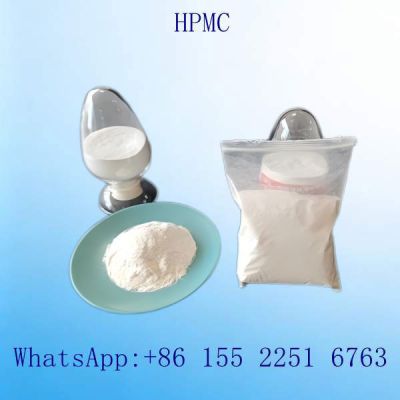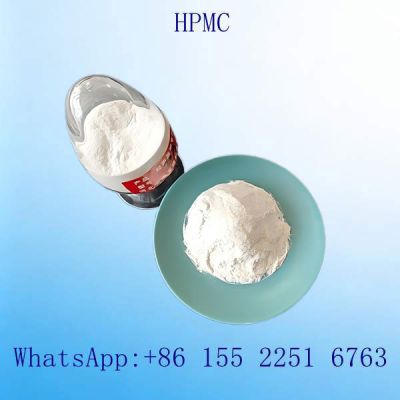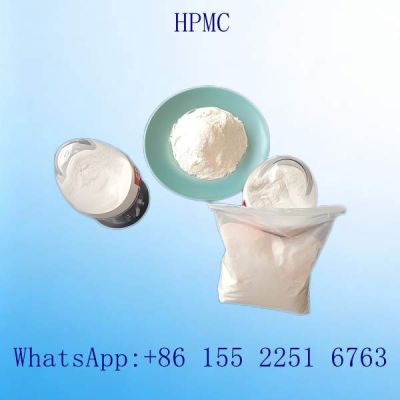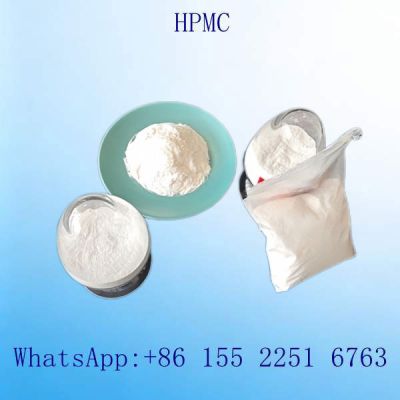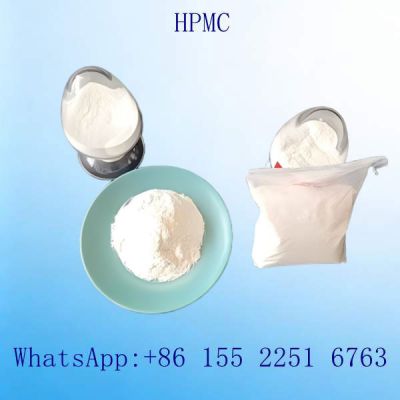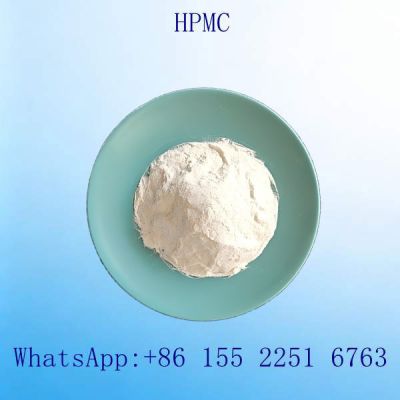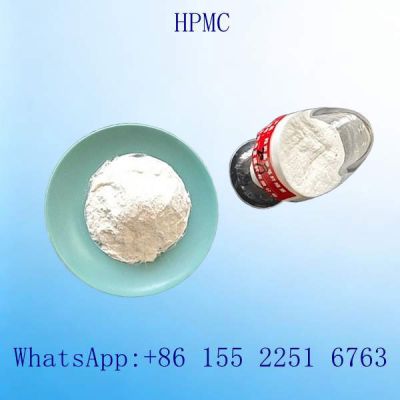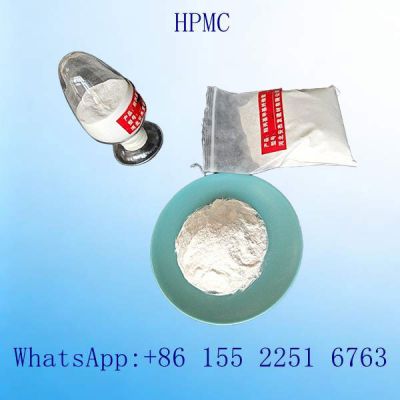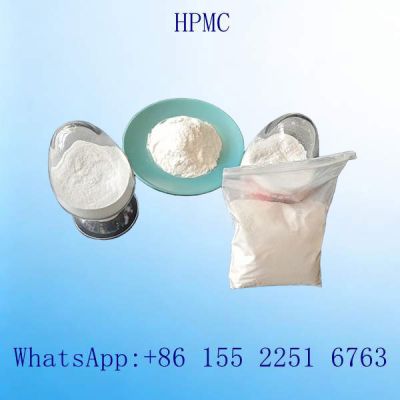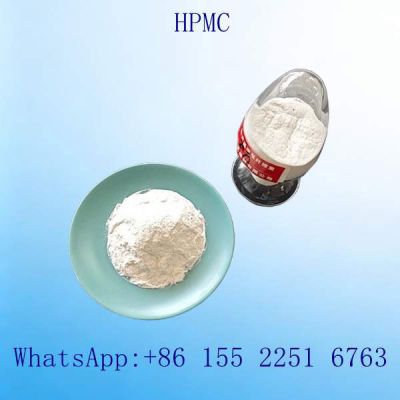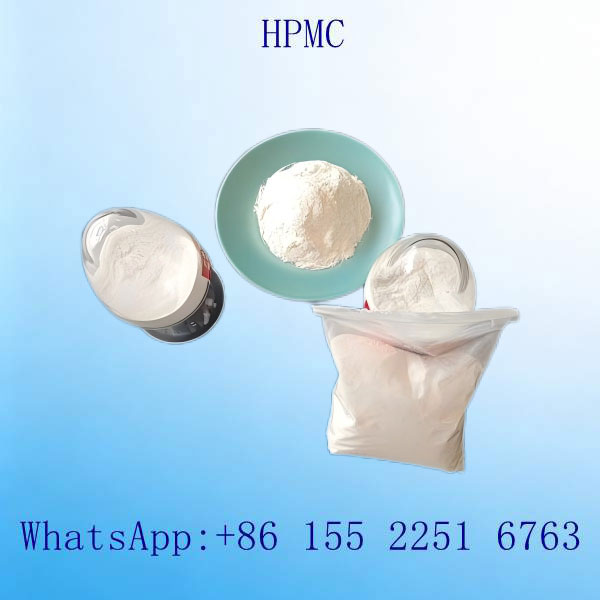
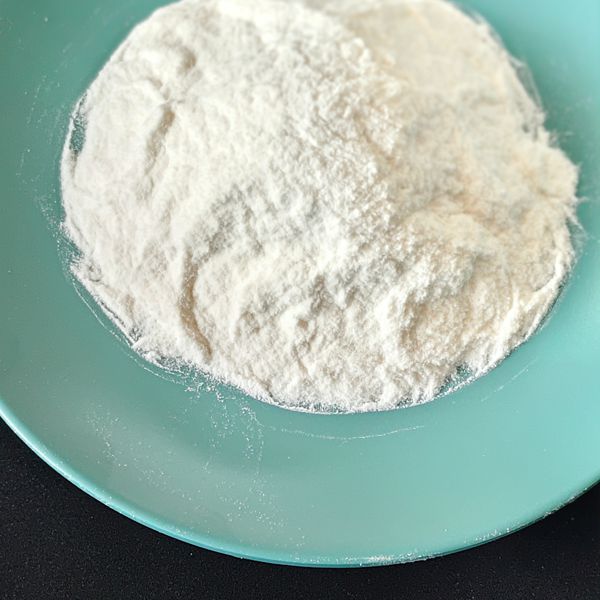
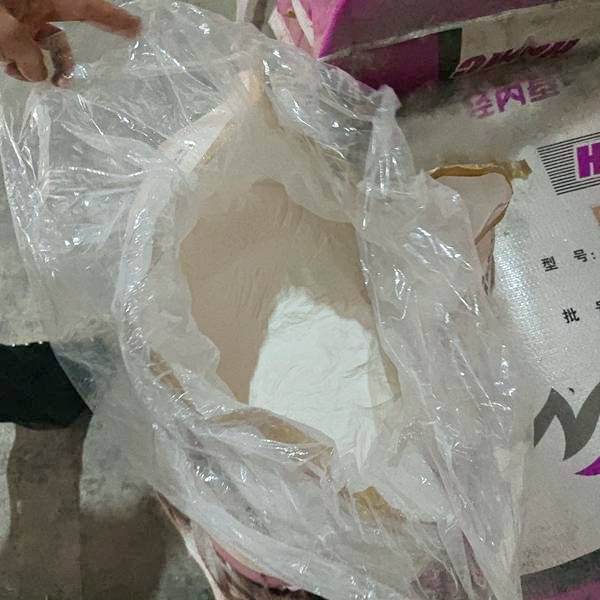
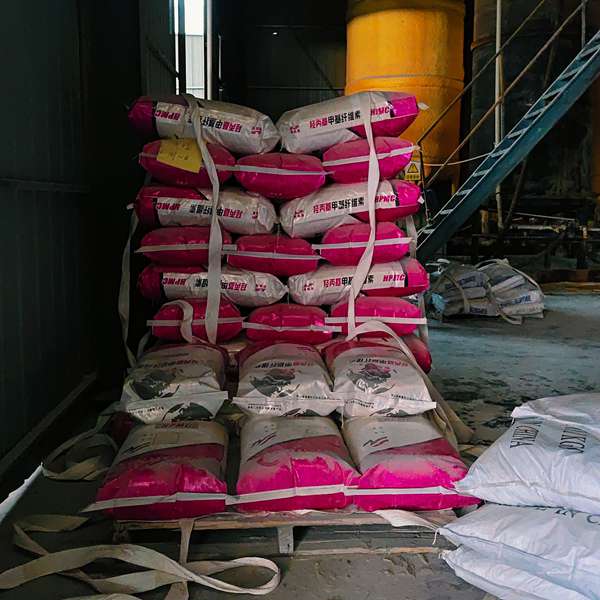
Product form:White to off-white powder
Hydroxypropyl Content: 9-12%
Methoxyl Content: 18-24%
Viscosity: 300-200,000 mPa.s
Particle Size:98.5%pass 80-100 mesh; 100% pass 80 mesh
Purity: 95%
Moisture: ≤5%
CAS No.: 9004-65-3
Email: sales03@eclatmat.com
Tel: +86-155 2251 6763
Free samples are available!
Wondering whether hydroxypropyl methylcellulose is safe for your product? The short answer is yes — when it is manufactured to specification. As a direct producer, we explain what HPMC is made of, why the hydroxypropyl methylcellulose safety profile is well established, and how our verified specifications keep every batch within safe, consistent limits.
Request Safety Documentation and a SampleHydroxypropyl methylcellulose, or HPMC, starts as natural cellulose — the same structural polymer found in cotton and wood. Through controlled etherification, methyl and hydroxypropyl groups are grafted onto the cellulose chain, producing a methoxyl content of 19–30% and a hydroxypropyl content of 4–12% in our production. The result is a non-ionic, water-soluble polymer supplied as a white or off-white powder.
So is hydroxypropyl methylcellulose safe? The safety of any cellulose ether comes down to two things: the inertness of the polymer itself and the discipline of the manufacturing process. HPMC is non-ionic, passes through formulations without reacting with other ingredients, and dissolves into a neutral solution with a pH of 6.0–7.0 — close to neutral water. Its thermal gelation at 65–75°C is a fully reversible physical process, not a chemical reaction, which is one reason formulators handle it with confidence.
For buyers, the practical answer to whether hydroxypropyl methylcellulose is safe lies in verification: consistent appearance, viscosity within 300–200,000 mPa·s, and a certificate of analysis for every lot. That is exactly how we supply it.
HPMC is one of the most widely used tablet binders and food texture agents worldwide. Its non-ionic character and neutral pH of 6.0–7.0 mean it coexists with active ingredients and sensitive additives without interaction.
In tile adhesives and renders, HPMC works entirely within the water phase: water retention of at least 90% and reversible gelation at 65–75°C improve workability while leaving the chemistry of cement hydration untouched.
Water-based paints, detergents and personal care formulations rely on HPMC thickening across the 300–200,000 mPa·s range — a polymer chosen precisely because it performs without unwanted reactivity.
| Parameter | Specification |
|---|---|
| Appearance | White or off-white powder |
| Viscosity | 300–200,000 mPa·s |
| Methoxyl content | 19–30% |
| Hydroxypropyl content | 4–12% |
| Bulk density | 350–450 kg/m³ |
| pH value | 6.0–7.0 |
| Water retention rate | ≥90% |
| Gelation temperature | 65–75°C |
Every parameter above is verified per batch before release. Custom viscosity grades within the 300–200,000 mPa·s range are available on request.
Years of cellulose ether manufacturing experience
Export countries served across five continents
Minimum water retention rate, verified per batch
Average quotation response with technical data sheets
HPMC is derived from natural cellulose and is non-ionic and inert, which is why it is one of the most widely used polymers in tablets, capsules and food products worldwide. It does not react with active ingredients and passes through formulations without chemical change.
Yes. In mortars, tile adhesives and renders, HPMC stays in the water phase and does not alter cement chemistry. With a pH of 6.0–7.0 and reversible gelation at 65–75°C, it simply manages water retention of 90% or higher until the binder sets.
Consistent manufacturing control. Our batches are verified for appearance, viscosity within 300–200,000 mPa·s, methoxyl content of 19–30%, hydroxypropyl content of 4–12%, pH, bulk density, water retention and gelation temperature, documented in a certificate of analysis for every lot.
No. As a non-ionic polymer, hydroxypropyl methylcellulose does not carry an electrical charge, so it resists interaction with salts, surfactants and other additives — a key reason formulators regard it as a predictable, low-risk ingredient.
Yes. Contact us and we will send the technical data sheet, certificate of analysis of a recent batch and a free sample, so your team can evaluate hydroxypropyl methylcellulose safety against your own standards before committing to volume.
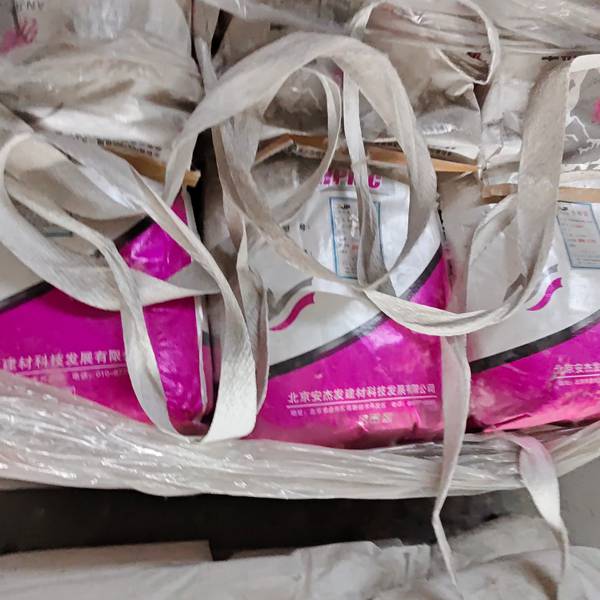
HPMC is a stable white or off-white powder with a bulk density of 350–450 kg/m³. Keep it in the original sealed bag in a dry, ventilated area, and it retains its specifications for 24 months. Standard PPE for powder handling is sufficient.
Tell us your application, target viscosity and monthly volume. Our technical team responds within 24 hours with the data sheet, a recent certificate of analysis and a free sample shipped by express courier.
Request Documentation and a Free SampleTIANJIN ECLAT CO.,LTD.....[ read more>>]


Contact Person:Chris Liu
Tel:+86-22-29736899
Mobile Phone:+86-15522516763
WhatsApp: +86-15522516763
E-mail: sales03@eclatmat.com
Office: 1-1209, Borun Business Plaza, TEDA, Tianjin, China
Factory: Zhangjiu Village, Shucheng Town, Hejian City, Cangzhou City, Hebei Province


 8615522516763