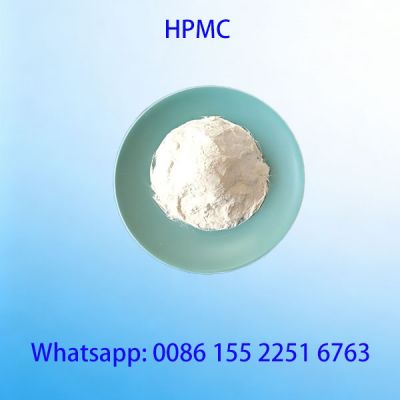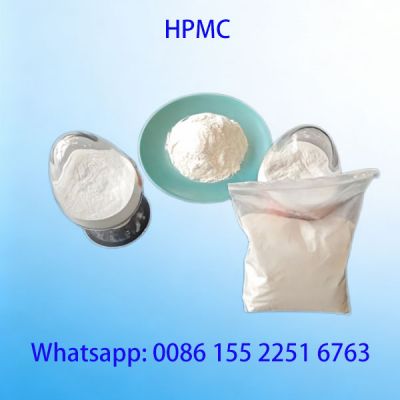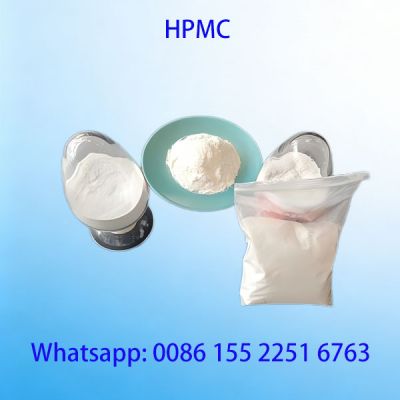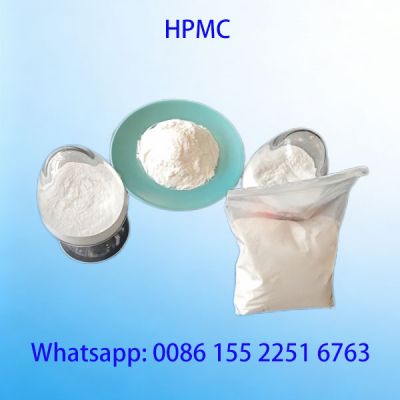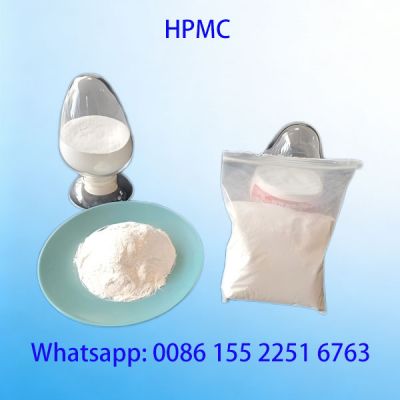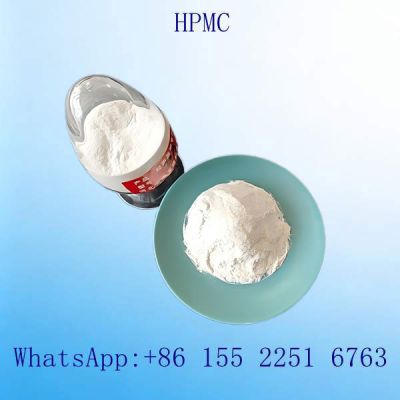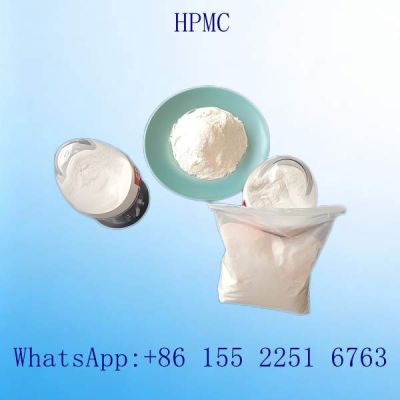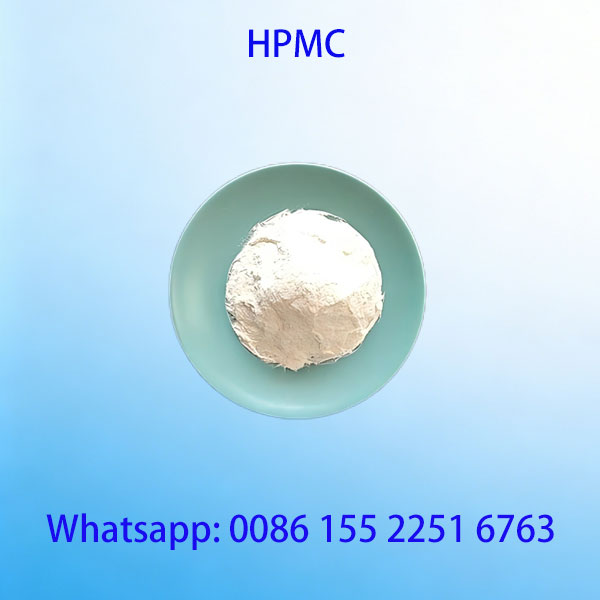
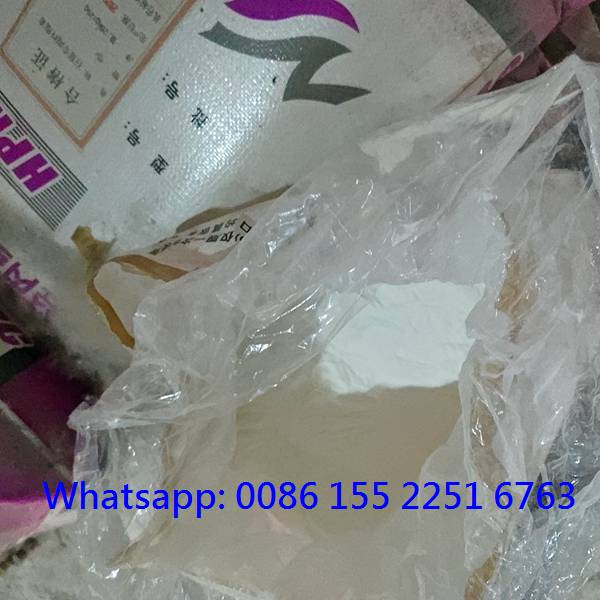
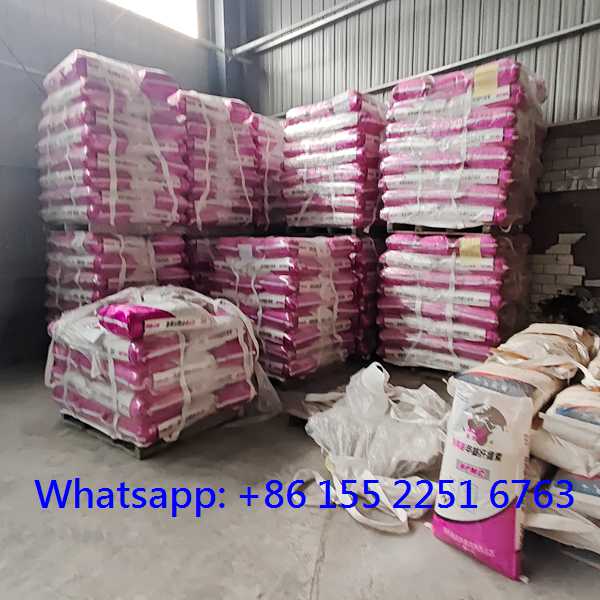
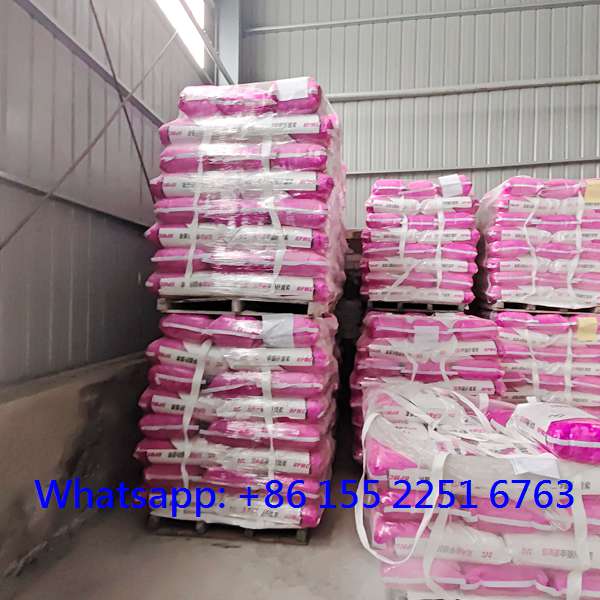
Appearance:White to off-white powder
Hydroxypropyl Content: 9-12%
Methoxyl Content: 18-24%
Viscosity: 300-200,000 mPa.s
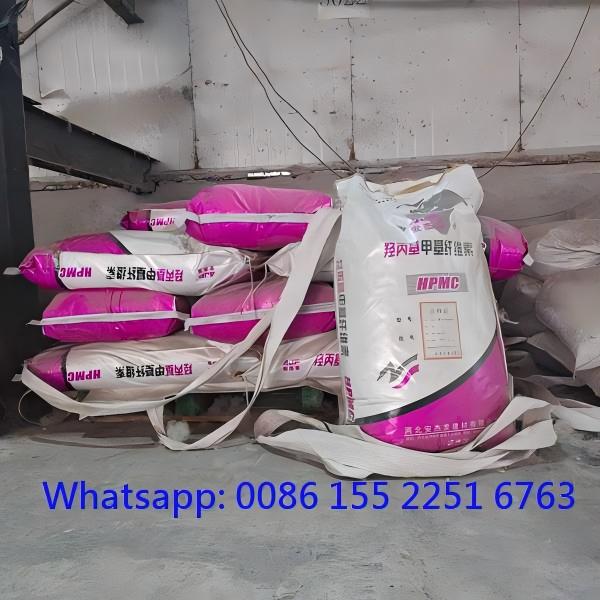
Packaging: 25kg bag
CAS No.: 9004-65-3
Email: sales03@eclatmat.com
Tel: +86-155 2251 6763
Free samples are available!
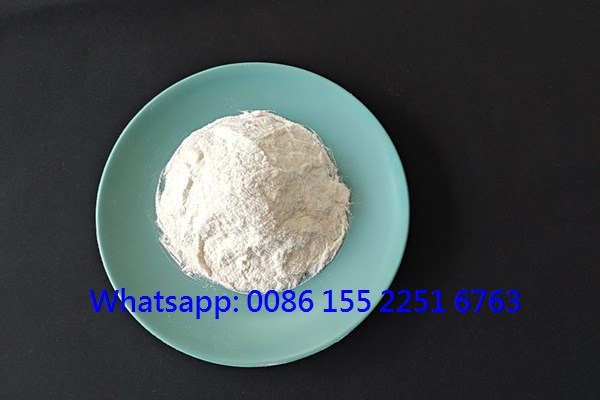
HPMC is a nonionic, water-soluble cellulose ether produced by reacting natural cellulose with methyl and hydroxypropyl substituent groups. The starting polymer is cellulose, the most abundant organic material on earth, drawn from cotton linters and refined wood pulp. The modification turns it into a white or off-white powder that dissolves in cold water to form clear, viscous solutions — and that single transformation is what gives HPMC its commercial value across construction, coatings and industrial formulations.
The name describes the molecule exactly. HPMC is short for hydroxypropyl methylcellulose: a cellulose backbone in which a defined share of the hydroxyl groups carry methoxyl (19–30%) and hydroxypropyl (4–12%) substituents. Those two substitution groups, held in those controlled ratios, decide how the polymer hydrates, how much viscosity it builds, and where its reversible thermal gelation point sits (65–75°C). Small changes in substitution produce measurably different grades — which is why a specification-backed supply chain matters.
Every batch of HPMC is produced to the same specification and verified in the laboratory before release. A certificate of analysis accompanies each shipment.
| Parameter | Specification |
|---|---|
| Appearance | White or off-white powder |
| Viscosity | 300–200,000 mPa·s |
| Methoxyl content | 19–30% |
| Hydroxypropyl content | 4–12% |
| Bulk density | 350–450 kg/m³ |
| pH value | 6.0–7.0 |
| Water retention rate | ≥90% |
| Gelation temperature | 65–75°C |
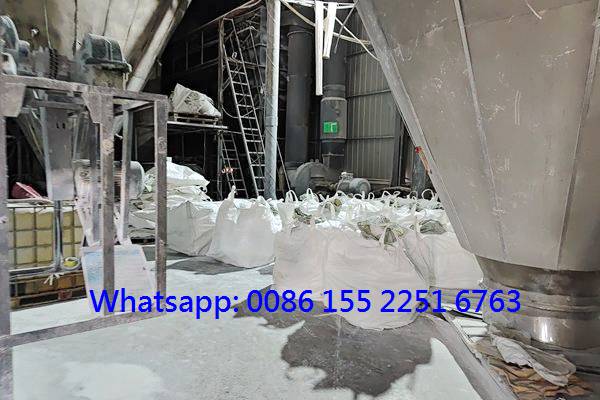
One powder, many job titles. Formulators rarely ask what HPMC is in the abstract — they ask what it is inside their formulation. Three answers cover most of the market.
In cement- and gypsum-based mortars, plasters and skim coats, HPMC locks ≥90% of the mixing water in the applied layer long enough for cement to hydrate and binders to film-form. The result is higher final strength, no dusting, and surfaces that cure evenly instead of cracking where water escaped too quickly. Its nonionic nature keeps it stable alongside accelerators, retarders and other mortar admixtures.
High-viscosity grades give tile adhesives the yield value that stops heavy tiles from sliding on vertical walls, while water retention extends open time so a spread bed stays tacky for longer. A neutral pH of 6.0–7.0 protects polymer modifiers such as redispersible latex powder — the reason class C1 and C2 adhesives rely on cellulose ethers for consistent slip and pull-off performance.
From water-based paints to detergents and ceramic slurries, HPMC provides pseudoplastic thickening — heavy at rest, light under shear — and keeps pigments, fillers and suspended solids from hard-settling in storage. Cold-water solubility means it incorporates with standard agitation in ordinary mixing equipment, and the 300–200,000 mPa·s range covers everything from sprayable systems to heavy texture pastes.
Every HPMC grade we supply is shipped in one dependable export format: a standard 25 kg bag with consistent net weight on every unit.
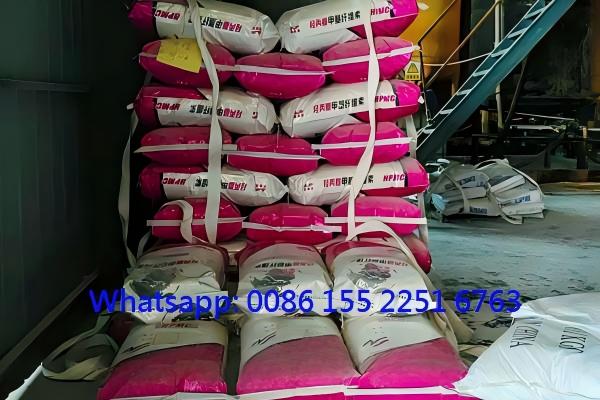
One supplier, one standard. These are the reasons formulators keep reordering.
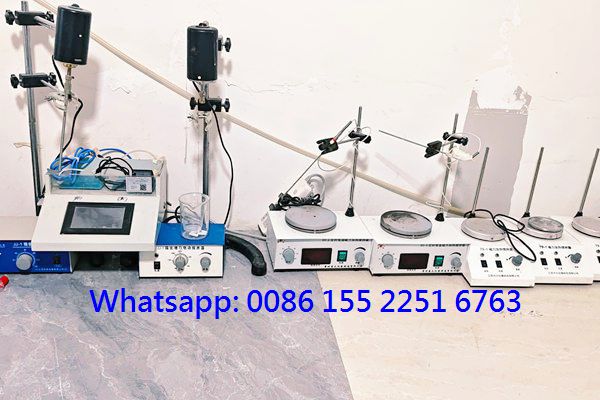
Every production batch is tested in our own laboratory before release — viscosity, methoxyl and hydroxypropyl content, pH, water retention rate and gelation temperature are verified against the specification sheet, and a certificate of analysis (COA) is issued for each shipment. Our chemists also help you match the right grade to your formulation and target viscosity.
Beyond the standard 25 kg bag, we offer flexible packaging customization — private-label and OEM bags printed with your brand, custom labelling for local markets, and packing formats arranged to your warehouse or project requirements. Share your specification with the order and we will confirm the details before production.
HPMC stands for hydroxypropyl methylcellulose. It is a cellulose ether: natural cellulose chemically modified with methoxyl (19–30%) and hydroxypropyl (4–12%) groups. The abbreviation is used interchangeably with the full chemical name across technical data sheets and supplier documents.
HPMC is semi-synthetic. The polymer backbone comes from natural cellulose in cotton linters or wood pulp; the substituent groups are added in a controlled chemical process. The product keeps the solubility and film-forming behavior of a natural polymer while gaining stable, reproducible industrial performance.
No. Methylcellulose (MC) carries only methoxyl groups. HPMC is a further derivative — its additional hydroxypropyl groups (4–12%) improve solubility and set the reversible gelation point at 65–75°C, which makes it easier to handle in warm climates and hot processes.
From natural cellulose — mainly cotton linters and refined wood pulp. The fibers are reacted with methylating and hydroxypropylating agents, then washed, dried and milled into the white or off-white powder supplied in industrial bags.
Yes — in cold water HPMC hydrates fully and forms clear, viscous solutions. Above its gelation temperature of 65–75°C it gels reversibly and returns to solution on cooling, a property formulators deliberately use in certain processes.
It depends on the target viscosity of your application, anywhere within the 300–200,000 mPa·s range. Tell us your industry and formulation target, and our technical team will recommend the matching grade. Inquiries to sales03@eclatmat.com are answered within 24 hours, with free samples and a COA available.
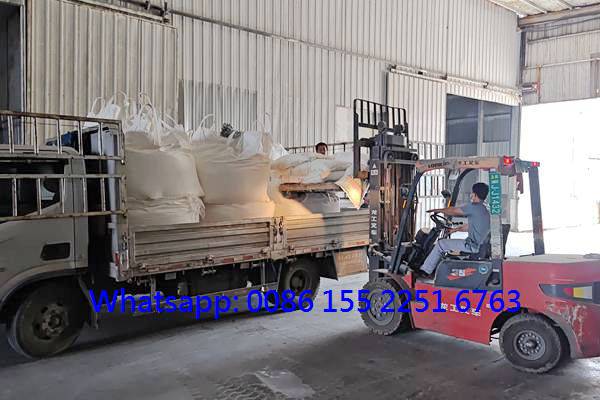
Tell us your industry and target viscosity. We will recommend the right grade, confirm pricing and dispatch a free sample — typically within 24 hours.
Email sales03@eclatmat.comTIANJIN ECLAT CO.,LTD.....[ read more>>]


Contact Person:Chris Liu
Tel:+86-22-29736899
Mobile Phone:+86-15522516763
WhatsApp: +86-15522516763
E-mail: sales03@eclatmat.com
Office: 1-1209, Borun Business Plaza, TEDA, Tianjin, China
Factory: Zhangjiu Village, Shucheng Town, Hejian City, Cangzhou City, Hebei Province


 8615522516763